


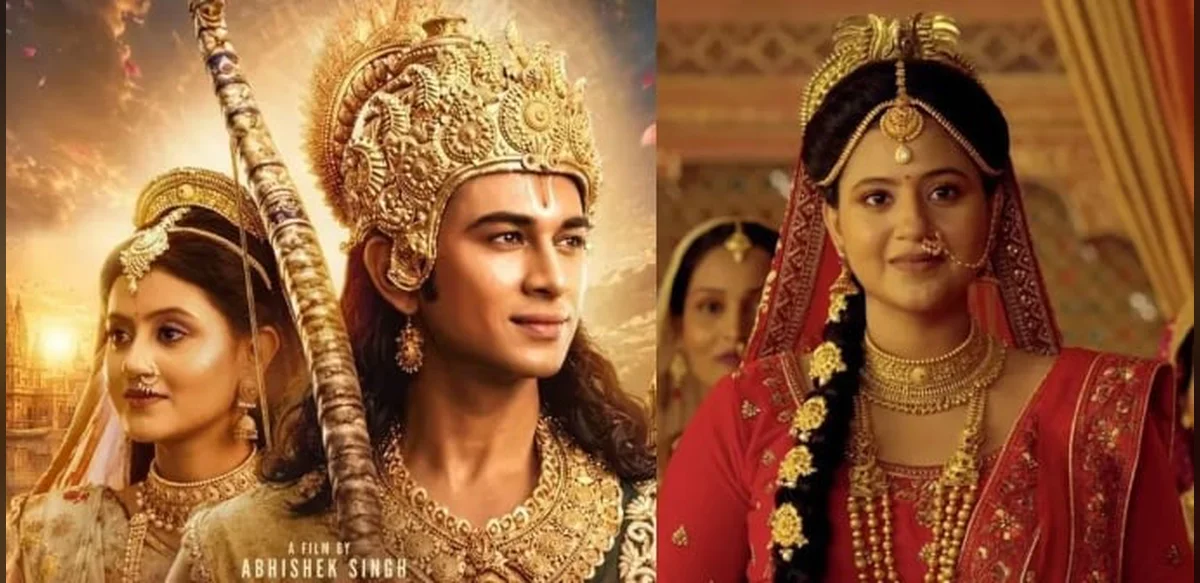
A recent casting decision for a production titled Mahakavya Shri Ramayan Katha has generated significant discussion across social media platforms. The selection of content creator Anjali Arora for the part of Goddess Sita has prompted a range of reactions from audiences and commentators.
The announcement highlighted the performer’s involvement in the project, which draws from traditional narratives associated with the Ramayan. Such adaptations often attract attention due to the cultural importance placed on the characters and stories involved.
Online responses have included expressions of concern regarding the suitability of the choice. Critics have voiced opinions on various forums, focusing on aspects such as prior public image and alignment with expectations for the role. Supporters of the production have countered by emphasizing artistic freedom and the need to allow modern interpretations.
This type of reaction is not uncommon when religious or mythological figures are portrayed in contemporary media formats. Discussions frequently center on balancing respect for tradition with creative expression in storytelling.
The production itself aims to present the epic in a serialized format, potentially reaching wider audiences through digital channels. Organizers have not issued detailed statements beyond the initial casting reveal, leaving room for ongoing public discourse.
Observers note that social media amplifies both positive and negative sentiments rapidly in cases involving well-known cultural icons. The volume of comments has led to trending topics in certain regions, reflecting broader interest in how such stories are adapted today.
Industry professionals involved in similar projects often navigate these sensitivities by consulting cultural advisors or community representatives. However, the extent of such consultations in this instance remains unspecified.
The episode underscores ongoing conversations about representation in entertainment that draws from historical and religious sources. Viewers and participants continue to share perspectives as more details about the series emerge.
Overall, the situation illustrates the challenges faced by creators when selecting talent for roles tied to revered figures. Public engagement remains active, with many awaiting further developments from the production team.
Additional context around the project includes its focus on key episodes from the epic, presented in a manner intended for family viewing. The choice of cast members has been positioned as part of an effort to blend established names with newer faces in the digital content space.
Reactions have varied by demographic, with some groups emphasizing preservation of traditional values and others advocating for inclusive casting practices. This diversity of opinion contributes to the complexity of the debate.
As the series progresses toward release, further updates may clarify the creative direction and address some of the raised points. In the meantime, the topic continues to circulate in online communities interested in Indian cultural narratives.
The broader implications touch on how media companies handle feedback during pre-production phases. Effective communication strategies can sometimes mitigate backlash, though outcomes depend on multiple factors including timing and transparency.
In summary, the casting has sparked a notable conversation that extends beyond the individual performer to encompass larger questions about adaptation and audience expectations in the realm of mythological storytelling.

