


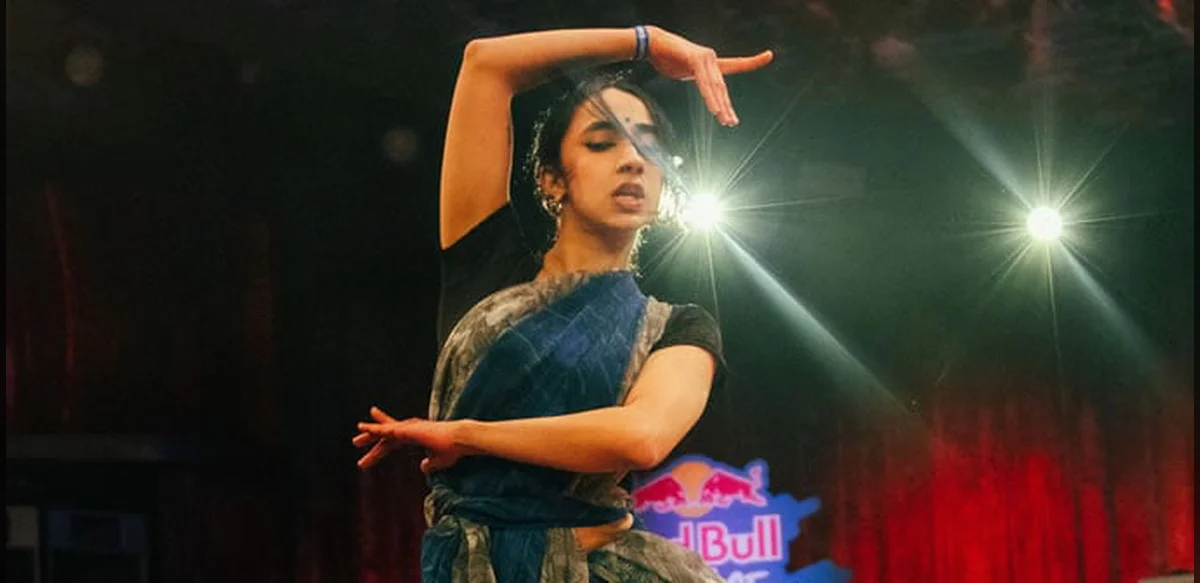
A performer known for classical training has shared thoughts on merging traditional Indian dance forms with contemporary freestyle techniques. The discussion highlights how elements of Bharatanatyam can be incorporated into competitive freestyle battles, creating a unique style that stands out in events.
The conversation also touched on the experience of content gaining widespread attention online. Such moments can bring unexpected visibility, allowing artists to reach broader audiences while continuing to develop their craft. The performer reflected on balancing these opportunities with ongoing practice and competition preparation.
Participation in international events like Red Bull Dance Your Style was another key topic. These platforms provide spaces for dancers to showcase hybrid approaches that combine structured classical techniques with spontaneous freestyle expression. The format encourages creativity and adaptability under competitive conditions.
Observers note that such integrations can introduce classical dance elements to new viewers who might not otherwise encounter them. This cross-style approach may help preserve interest in traditional forms while adapting them for modern contexts and younger participants.
The performer emphasized consistent training as essential for maintaining technical precision across different dance styles. Daily routines often involve dedicated sessions focused on both classical foundations and freestyle improvisation to build versatility.
Community responses to the viral moments have included increased inquiries about classes and workshops. This interest suggests potential for greater engagement with dance education that bridges multiple genres.
Challenges mentioned include adapting classical gestures and rhythms to faster-paced freestyle environments without losing core authenticity. Finding this balance requires experimentation and feedback from peers in both dance communities.
Future plans discussed involve further competitions and possible collaborations that explore similar fusions. The goal remains to evolve personal style while honoring the roots of classical training.
Overall, the exchange underscores ongoing conversations within dance circles about tradition, innovation, and digital reach. Artists continue to navigate these areas as platforms and audiences evolve.
Additional reflections covered the role of social media in shaping dance careers today. Short clips can lead to rapid recognition, yet sustained success depends on live performances and skill development over time.
The performer also addressed how family and early training influenced the path into professional dance. Support systems often play a part in encouraging young artists to pursue competitive and creative opportunities.
Event organizers have observed growing participation in categories that welcome diverse backgrounds and techniques. This trend may reflect broader acceptance of hybrid dance expressions in mainstream competitions.
In summary, the discussion provided insight into one artist’s journey of combining established classical methods with current freestyle practices, alongside the realities of online visibility and international stage experiences.


