


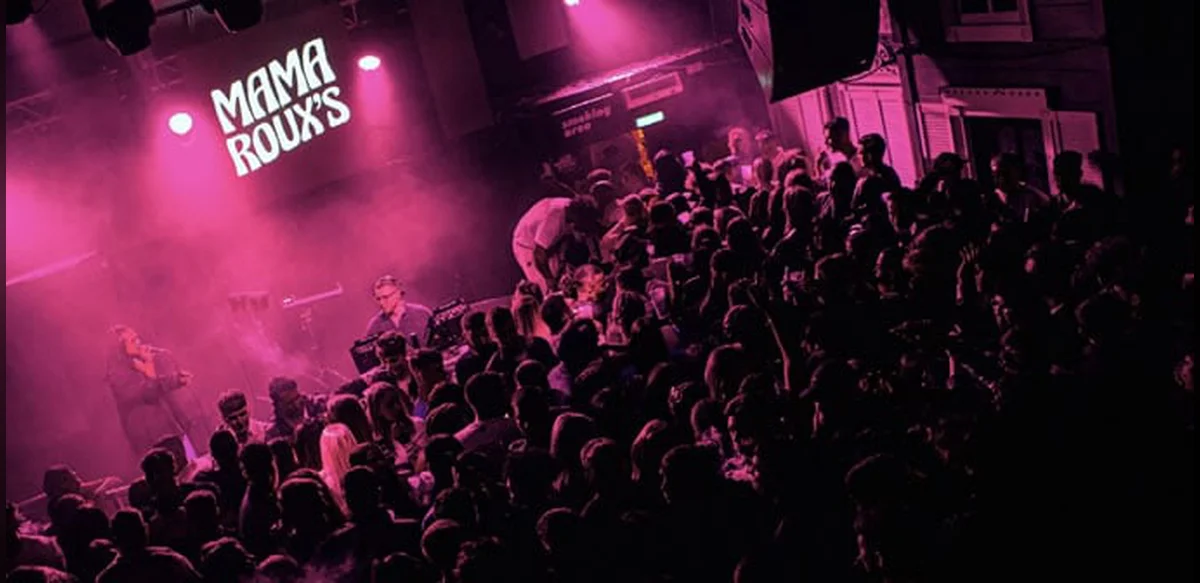
Venues located in the Digbeth area of Birmingham have voiced significant concerns regarding a major infrastructure project valued at 1.75 billion pounds. The proposed Midlands Rail Hub is seen by many operators as a potential threat to the district’s established creative community. Local stakeholders worry that the development could result in the permanent loss of performance spaces and artistic facilities that have long contributed to the neighborhood’s distinctive character.
The project aims to enhance rail connectivity across the region through extensive upgrades and new construction. While supporters highlight economic benefits and improved transport links, those managing cultural sites emphasize the risk of displacement. Several venues have operated for years in converted industrial buildings, providing platforms for music, theater, and visual arts. These establishments form part of a broader ecosystem that attracts visitors and supports local talent.
Representatives from the affected venues argue that the scale of the rail plans could lead to widespread disruption. Construction activities might generate noise, vibration, and access restrictions that make continued operation difficult. In some cases, properties could be acquired or demolished to accommodate tracks, stations, or supporting infrastructure. This possibility has prompted discussions about the future viability of the creative quarter.
Community members have begun organizing meetings to explore options for safeguarding existing spaces. Suggestions include seeking alternative locations within the district or negotiating protections during the planning process. The emphasis remains on preserving the cultural vibrancy that distinguishes Digbeth from other parts of the city.
Authorities overseeing the rail initiative have indicated that environmental and social impact assessments will be conducted. These evaluations are expected to examine effects on local businesses, including those in the arts sector. Feedback from venue operators is anticipated to form part of the consultation records.
The situation in Digbeth reflects broader tensions that can arise when large-scale transport projects intersect with established cultural districts. Similar concerns have surfaced in other cities undergoing infrastructure renewal. Balancing growth in connectivity with the retention of creative environments continues to present challenges for planners and residents alike.
Observers note that the outcome of current discussions could influence how future rail developments account for cultural assets. Continued dialogue between venue managers, project teams, and local authorities may help identify measures to mitigate adverse effects. The focus stays on ensuring that the neighborhood retains its role as a hub for artistic expression while accommodating necessary transport improvements.
Additional details about specific venue relocations or compensation arrangements have not yet been finalized. Stakeholders continue to monitor announcements from the rail authority for updates on timelines and mitigation strategies. The coming months are likely to see further engagement as the planning phase advances.
Overall, the concerns raised highlight the importance of considering cultural continuity alongside infrastructure goals. The Digbeth venues remain committed to advocating for solutions that allow both the rail hub and the creative community to coexist where possible.

