


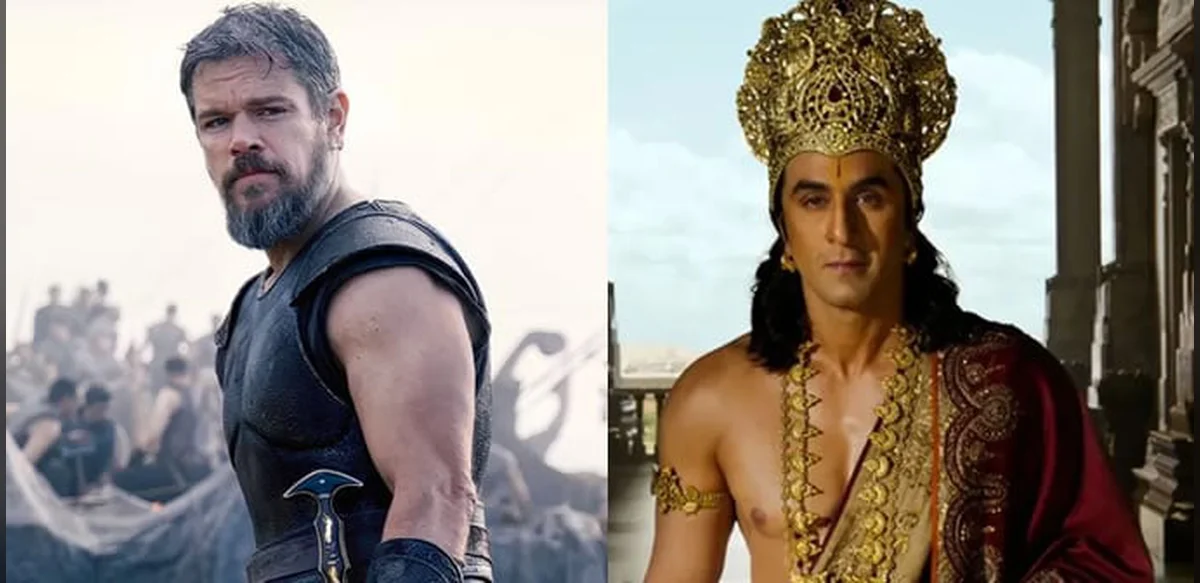
The Odyssey and the Ramayana are two major ancient epics that continue to invite comparison. Interest has increased after the release of Christopher Nolan’s film adaptation of The Odyssey.
Although the works come from separate cultural backgrounds, both center on heroes who leave home, face severe trials, and eventually regain their positions. Readers have long noted parallels involving powerful bows, battles over loved ones, supernatural events, and questions of responsibility.
Social media discussions have highlighted these connections since the film’s release, with attention also turning to an upcoming Ramayana adaptation planned for late 2026.
Two Influential Ancient Narratives
The Ramayana, credited to Valmiki, took shape between the seventh and first centuries BCE. The Odyssey, attributed to Homer, dates to roughly the eighth or seventh century BCE. Both epics follow central figures whose lives involve separation, conflict, and efforts to restore stability.
In The Odyssey, Odysseus spends ten years returning to Ithaca after the Trojan War, having been away from his wife Penelope and son Telemachus for about twenty years total. In the Ramayana, Rama endures fourteen years of exile from Ayodhya. After Sita is taken by Ravana, the story moves to the battle in Lanka and Rama’s return.
A Test of Strength and Identity
A frequently noted parallel involves a bow that only the true hero can handle. In The Odyssey, Odysseus arrives home in disguise. Penelope sets a contest with his bow that none of the suitors can complete. Odysseus succeeds and reveals himself.
This scene is often compared to Sita’s swayamvara in the Ramayana, where only Rama can lift and string Shiva’s bow, demonstrating his worth.
In both cases the bow serves as proof of legitimacy and exceptional skill.
Conflicts Driven by Personal Loss
Both stories feature wars sparked by the abduction of a woman. The Trojan War begins after Helen is taken to Troy. Odysseus participates before his long voyage home. In the Ramayana, Rama fights Ravana after Sita’s abduction to Lanka.
The conflicts share themes of loyalty and honor, though their cultural contexts differ. The Greek narrative emphasizes reputation and alliances, while Rama’s battle connects to dharma and moral order.
Divine and Supernatural Elements
Both epics include gods, mythical beings, and extraordinary trials. Odysseus meets the Cyclops, the Sirens, and Circe, while facing interference from Poseidon and aid from Athena. Rama encounters demons and receives help from Hanuman and the vanara forces.
Deception appears in both tales. In the Ramayana, the golden deer is the demon Maricha in disguise. In The Odyssey, Circe transforms Odysseus’s companions into animals.

