


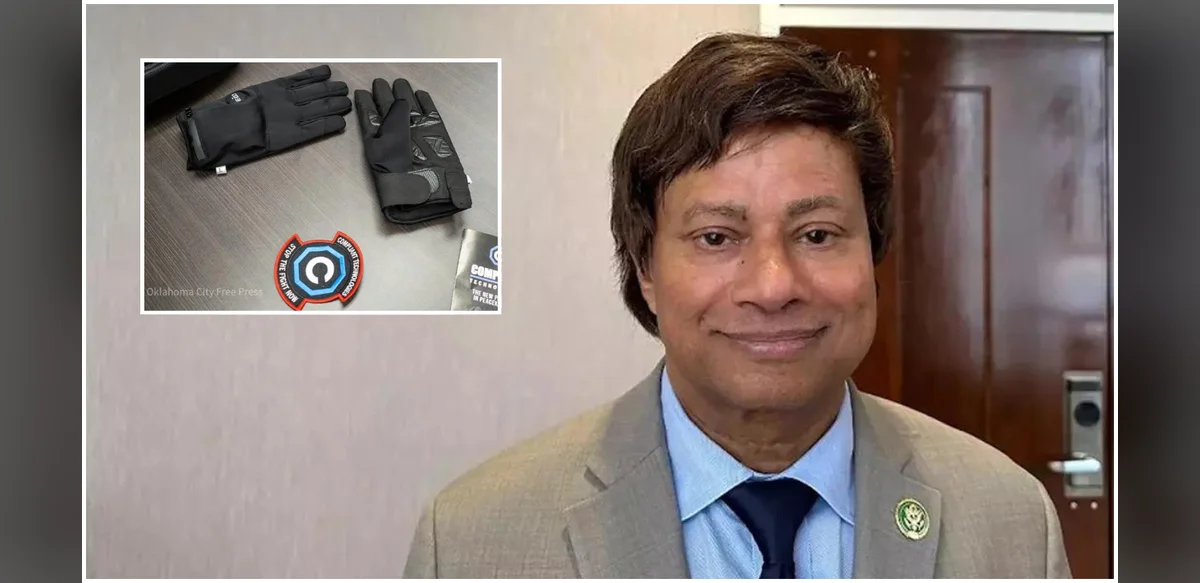
Indian-American Congressman Shri Thanedar has joined other lawmakers in calling for an immediate end to plans by U.S. Immigration and Customs Enforcement to acquire electric shock gloves. The devices have raised serious concerns among the group over possible misuse that could lead to injury or even death.
In a letter addressed to the Secretary of Homeland Security, the lawmakers highlighted the risks associated with these tools. They pointed out that the gloves could be deployed in ways that exceed intended limits, resulting in severe harm to individuals in custody. The correspondence emphasizes the need for caution when introducing equipment capable of delivering electric shocks.
The proposed acquisition would involve spending millions of dollars to obtain thousands of the specialized gloves. Lawmakers noted that such a large-scale purchase requires thorough review, especially given the agency’s previous experiences with similar devices. They argued that past incidents demonstrate the potential for problems when oversight is insufficient.
A key issue raised in the letter involves the level of training provided to officers who would use the equipment. The lawmakers stated that current preparation may not be adequate to prevent accidents or intentional misuse. Without proper protocols and education, the introduction of these gloves could create unnecessary dangers for both personnel and those they encounter.
The group urged the Department of Homeland Security to reconsider the procurement process entirely. They called for a halt to any further steps toward acquiring the gloves until additional safeguards and evaluations are completed. This request reflects broader worries about accountability and the responsible use of force in immigration enforcement settings.
Thanedar and his colleagues stressed that public safety and human rights must remain priorities in any decision involving new technology for law enforcement. They expressed hope that the department will take their concerns seriously and pause the initiative to allow for more careful consideration. The letter serves as a formal appeal to prioritize caution over rapid implementation.
Observers note that this development comes amid ongoing discussions about the tools and methods used by federal agencies in detention and removal operations. The lawmakers’ action underscores the importance of legislative oversight in matters that affect vulnerable populations. By voicing these objections publicly, the representatives aim to prompt a review that could prevent future complications.
The concerns outlined focus on both immediate physical risks and longer-term implications for agency practices. Electric shock devices have been the subject of debate in various contexts, with critics often citing the need for strict controls. In this case, the emphasis remains on ensuring that any equipment meets high standards for safety and necessity before being put into service.
As the letter circulates among relevant officials, it is expected to generate further dialogue within Congress and the executive branch. Thanedar has consistently advocated for policies that protect individual well-being while maintaining effective border and immigration systems. His involvement in this matter highlights the role of diaspora representatives in shaping national conversations on governance and security.
The lawmakers concluded their communication by reiterating the potential for harm if the plan proceeds without changes. They remain committed to monitoring the situation and pushing for alternatives that reduce the likelihood of adverse outcomes. This effort represents a measured approach to addressing emerging issues in federal procurement and operational guidelines.

