


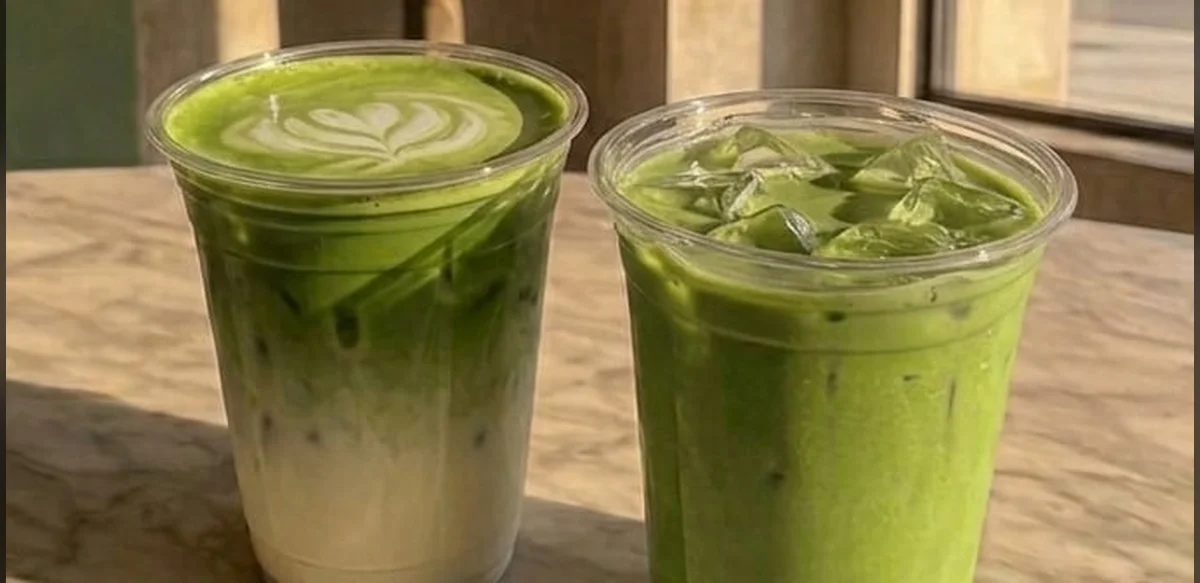
Matcha has grown popular in the UK as a wellness drink, yet its effect on iron absorption remains little known. The powdered green tea offers antioxidants but contains compounds that can limit uptake of non-haem iron from plant foods when taken near meals. This matters for South Asians, among whom iron deficiency is common, especially in women. Diets rich in lentils, beans and leafy greens require attention to absorption. As matcha spreads through UK cafes, knowing when to drink it supports better choices. Iron remains vital for energy and haemoglobin production. Low levels bring fatigue, dizziness and poor concentration. WHO data show iron deficiency affects many worldwide, with South Asian women in the UK at higher risk due to diet and needs. Matcha itself supplies little iron. Its polyphenols, valued for antioxidants, can bind non-haem iron during digestion and reduce absorption, especially alongside food. Studies note drops of around 20 percent when tea meets meals. The effect is stronger with plant iron than animal sources. In South Asian meals heavy on lentils, chickpeas and spinach, timing becomes key. Consuming matcha between meals rather than with them reduces interference while keeping the drink in a balanced diet.

