


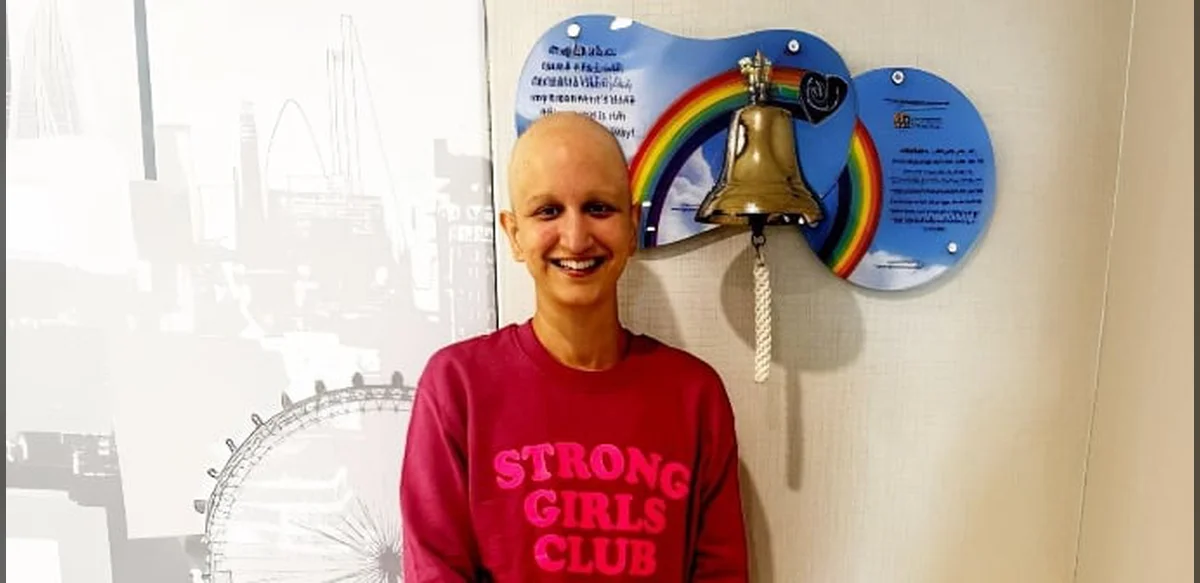
A Middlesex mother has advised women to regularly examine their breasts after receiving a breast cancer diagnosis. She had initially dismissed a lump as a breastfeeding issue.
Meera Kotecha detected a lump in her breast in December 2024 while nursing her son Rio. She postponed seeking medical advice, assuming it was a blocked milk duct, a common occurrence for breastfeeding mothers.
She contacted her GP only after a conversation with her sister Kaajal, who had also arranged checks for a lump. While Kaajal’s results were clear, Meera was referred to a breast clinic in March 2025.
A mammogram and ultrasound identified a 35mm lump. A biopsy later confirmed it as grade two, hormone-positive, HER2-negative invasive ductal carcinoma.
Meera expressed feeling naive for not considering cancer because she was breastfeeding. She noted that cancer did not occur to her as she was newly postpartum.
The senior account director observed that stigma in some Indian community segments can discourage open discussion of symptoms.
Born and raised in the UK, she now shares her story to promote earlier medical consultation.
She stated that her sister’s discussion may have improved her diagnosis outcome. Without it, she might have faced worse results.
Scans after diagnosis showed the cancer had not spread beyond the breast. Treatment began in April 2025 with 16 chemotherapy rounds, followed by surgery to remove the tumour.
Meera tried cold-cap treatment to preserve her hair but lost it during chemotherapy. Explaining the loss to her seven-year-old daughter Serena was among the hardest moments.
Following surgery in September 2025, she was told she was cancer-free. She then completed 20 radiotherapy sessions to lower recurrence risk.
Because the cancer was hormone-positive, she now takes medication to block oestrogen and receives additional treatments.
The experience has shifted her outlook, encouraging focus on moments of happiness.
Meera reminds women to check their breasts regularly and consult a doctor about any unusual changes.
Breast Cancer Now states that two-thirds of breast cancers are found through self-examination, underscoring the value of knowing signs and symptoms.
Her story highlights the role of early detection and reducing taboos around cancer discussions in South Asian communities.

