


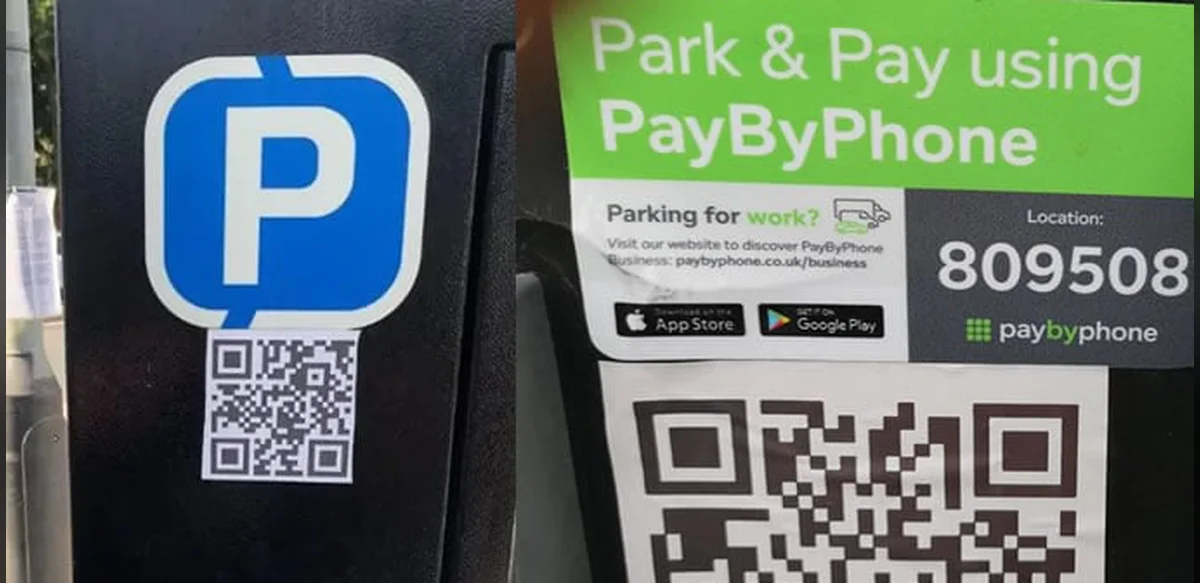
Authorities and consumer protection groups have issued alerts regarding deceptive QR codes appearing on payment terminals in parking areas. These fraudulent markers are designed to redirect users to malicious websites that request sensitive financial information. The scheme targets individuals who rely on quick digital payments while leaving their vehicles in paid facilities.
Such tactics exploit the convenience of mobile scanning technology. Instead of entering details on legitimate machines, drivers may unknowingly visit counterfeit sites that mimic official payment portals. Once information is provided, it can be used for unauthorized transactions or identity-related issues.
Experts recommend verifying the source of any QR code before scanning. Official terminals usually display clear instructions and contact details for support. If a code looks altered or placed over existing markings, it is advisable to use alternative payment methods such as cash or authorized mobile applications provided by the parking operator.
Parking operators are encouraged to conduct regular inspections of their equipment. Prompt removal of unauthorized additions helps reduce risks for users. In addition, signage reminding drivers to confirm website addresses can serve as a useful preventive measure.
The rise of mobile payment systems has brought efficiency to many daily transactions. However, it has also created opportunities for those seeking to exploit technological familiarity. Awareness campaigns stress the importance of pausing before providing personal data through unfamiliar links.
Drivers are advised to monitor their bank statements closely after using parking facilities. Early detection of unusual activity allows for quicker response through financial institutions. Reporting suspicious codes to local authorities or the parking management can contribute to broader efforts against such schemes.
Educational resources from consumer agencies outline common indicators of fraudulent QR codes. These include unexpected redirects, requests for excessive information, or sites lacking secure connection indicators. Familiarity with these signs supports safer decision-making in public spaces.
Community organizations have begun sharing guidance tailored to frequent travelers and commuters. Workshops and online materials explain how to distinguish genuine payment processes from deceptive ones. This collective approach aims to limit the effectiveness of the tactic across various locations.
Technological advancements continue to shape urban infrastructure, including parking solutions. As systems evolve, ongoing vigilance remains essential. Collaboration between technology providers, facility managers, and users strengthens overall resilience against emerging threats.
In summary, the warning serves as a reminder that convenience should be balanced with caution. Simple checks and alternative payment options can help protect personal information while using everyday services. Continued public communication on these matters supports informed choices for all road users.

