


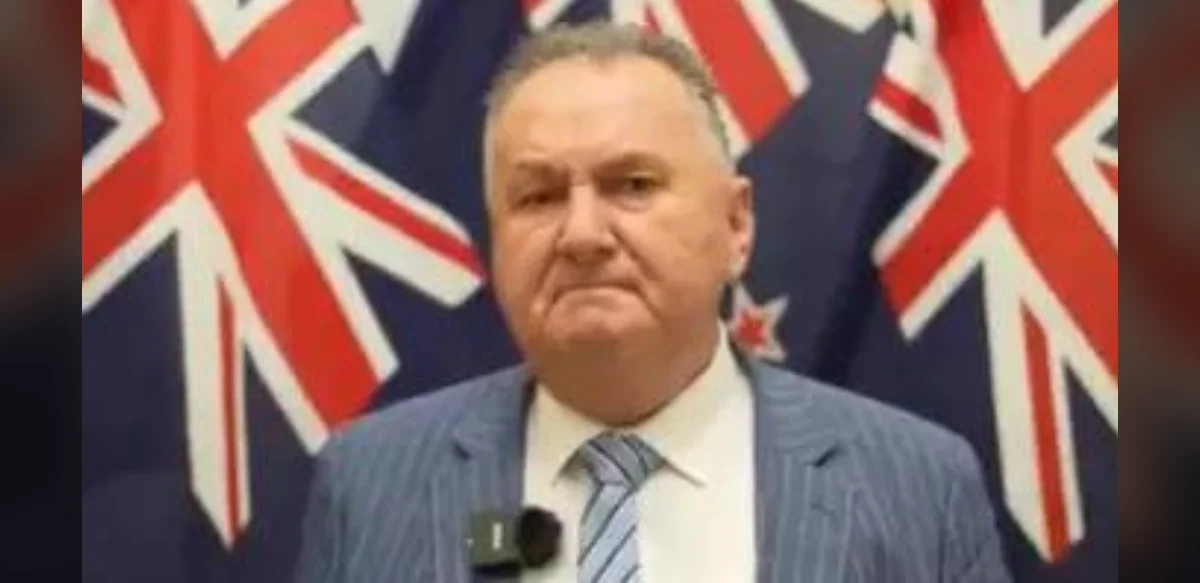
A high-ranking New Zealand government minister, Shane Jones, has stood by his provocative statements on immigration, explaining that he employs exaggerated language to highlight issues in public discussions. This follows widespread disapproval of his reference to a potential ‘butter chicken tsunami’ in relation to a proposed trade deal with India.
Jones, who serves as deputy leader of the New Zealand First party, stated on Wednesday that fellow lawmakers had advised him to moderate his rhetoric, but he intends to maintain his style. He emphasized that such exaggeration helps him stand out in debates, and noted that immigration will likely be a major topic in the upcoming election, according to reports from 1News.
The comment was made during a radio interview, targeting the free trade agreement under negotiation with India. Jones expressed opposition to what he described as unrestricted immigration that could overwhelm local services.
He asserted that he remains unconcerned by the backlash, while pointing out various adverse effects of immigration.
Leaders from the Indian community and opposition figures have strongly condemned the remarks. Jaspreet Kandari highlighted that the statements do not meet expected standards for public speech and have distressed many in the community, as reported by 1News. He noted that the pact would permit about 5,000 entrants over three years, a figure he deemed minor and not indicative of massive inflows.
Opposition parliamentarian Priyanca Radhakrishnan labeled the comments as blatant racism, and Shanti Patel, president of the Auckland Indian Association, called them deeply concerning, according to AFP.
Prime Minister Christopher Luxon separated himself from the views, describing them as counterproductive and overly dramatic, but he avoided directly terming them racist.
The incident occurs as New Zealand moves toward finalizing a significant trade accord with India, which officials view as a rare chance for economic advancement. However, the New Zealand First party resists the agreement due to worries about migration and financial obligations.
This division in the governing coalition could require backing from the opposition Labour Party to approve the necessary laws.

