


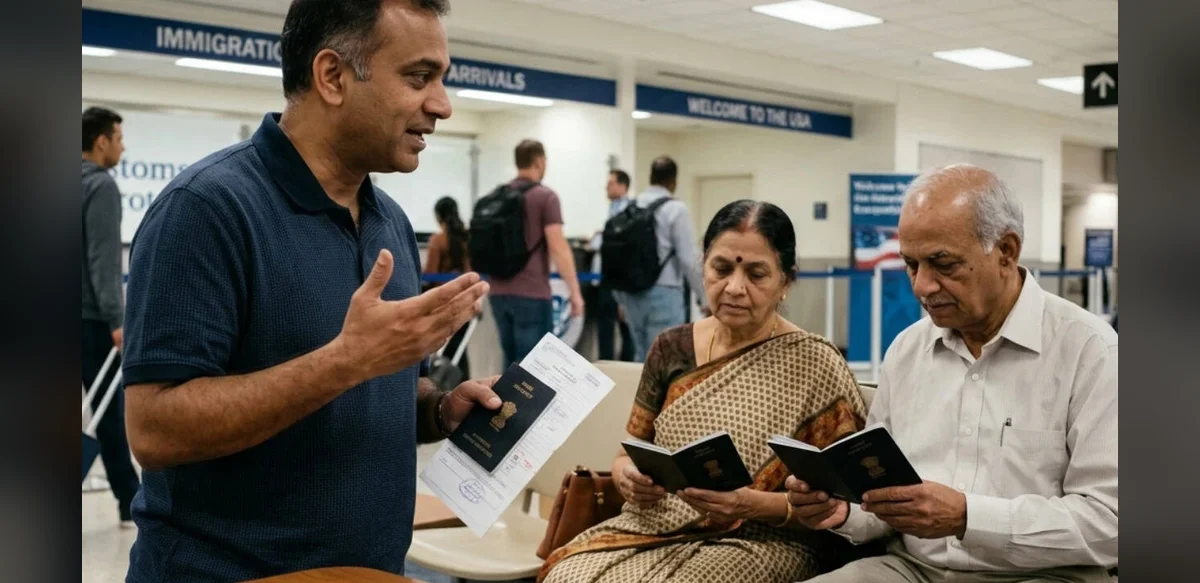
An individual of Indian origin living abroad recently shared details about the entry process faced by their parents upon arriving in the United States. The family had planned for a visit lasting five months, but immigration authorities approved only a two-month stay. The decision was linked to the father’s ongoing employment in India, which officials apparently viewed as a factor indicating potential ties that could affect the duration of the visit.
The account highlights common challenges encountered by families when relatives from India travel to the US on visitor visas. Such cases often involve scrutiny over the purpose of the trip, financial support, and connections back home. In this instance, the shorter approval period came as a surprise, prompting the NRI to seek guidance from others who might have faced similar situations.
Visitor visas for parents of overseas Indians typically require demonstration of intent to return after the trip. Factors like employment status, property ownership, and family obligations in the home country play a role in these assessments. Here, the father’s job appears to have been interpreted in a way that limited the authorized time, even though the family intended a longer stay supported by the NRI.
Community discussions around these experiences frequently focus on preparation steps before travel. Applicants are advised to carry detailed itineraries, proof of funds, invitation letters, and evidence of strong ties to India. Medical insurance and return tickets are also standard requirements that can influence outcomes at the port of entry.
The shared story underscores variability in decisions made by individual officers. While some families report approvals matching their requested durations, others encounter adjustments based on perceived risks of overstaying. This variability leads many to recommend consulting immigration experts or reviewing official guidelines from US authorities prior to departure.
Parents visiting children abroad often plan extended stays to spend quality time, assist with household matters, or participate in family events. When approvals fall short of expectations, it can disrupt these arrangements and require last-minute changes to travel plans. The NRI in question expressed concern over how to handle the reduced timeframe and whether an extension might be possible later.
Online forums and social media groups for the Indian diaspora regularly feature similar queries. Users exchange information on successful strategies, such as providing additional documentation or scheduling appointments at specific consulates known for consistent processing. Experiences vary widely depending on the location of application and the specific circumstances presented.
Legal frameworks governing temporary visits emphasize that the final determination rests with border officials. Even with a valid visa, the length of stay is not guaranteed and can be adjusted upon arrival. Families are encouraged to maintain flexibility and understand that decisions aim to balance visitor intentions with immigration compliance.
In response to the post, several community members offered suggestions including contacting the relevant embassy for clarification or exploring options for visa extensions once inside the country. Others shared parallel accounts where initial shorter stays were later extended successfully with proper justification and supporting evidence.
The incident reflects broader patterns in international travel where economic and professional ties influence visa outcomes. For Indian nationals, particularly those with working spouses, these considerations can lead to more conservative stay durations. Awareness of such factors helps families set realistic expectations when planning visits.
Overall, the narrative serves as a reminder of the importance of thorough preparation for international travel involving family members. Clear communication with immigration processes and readiness to adapt plans contribute to smoother experiences. The NRI continues to gather input from peers to navigate the current situation effectively.
Additional context from similar reports indicates that documentation proving the temporary nature of the visit remains critical. This includes details on employment leave, property maintenance arrangements, and commitments requiring return to India. Such materials can help address concerns raised during inspections.
Families in comparable positions often review recent policy updates from US Citizenship and Immigration Services to stay informed. While core requirements have remained stable, individual case handling can differ. Sharing anonymized experiences contributes to collective knowledge within diaspora networks.
The request for advice in the original account points to a desire for practical next steps. Options discussed in related conversations include monitoring for any official communications post-entry and preparing for potential follow-up applications if needed. Maintaining records of all interactions with authorities is commonly recommended.
This type of entry experience, though not uncommon, prompts ongoing dialogue about balancing family reunification with regulatory adherence. The focus remains on informed planning to minimize disruptions during visits between India and the United States.


