


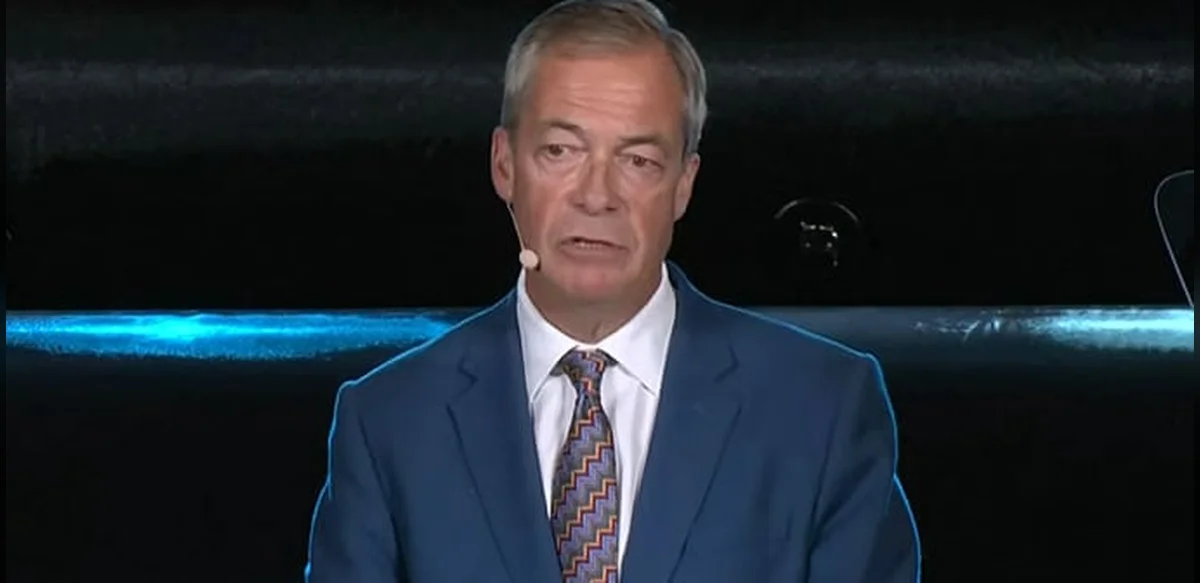
Reform UK has outlined a proposal to halt the United Kingdom’s asylum system for a period of five years. Under this plan new applications would not be accepted during that time. The party also intends to remove individuals whose cases remain under appeal with an estimated total of ninety thousand people affected by such measures.
The announcement focuses on changes to current procedures for handling claims from those seeking protection. Officials associated with the party state that the suspension would allow time to address existing backlogs and review overall approaches to immigration. Details indicate that the measure would apply broadly without exceptions noted in the initial statement.
Observers note that such a policy would represent a significant shift from longstanding practices in the country. The United Kingdom has maintained an asylum framework aligned with international agreements for many years. A temporary stop would require legislative adjustments and coordination across government departments.
Supporters of the idea argue that it could reduce pressure on housing and public services while decisions are reassessed. They point to the number of pending appeals as evidence that the current system faces operational challenges. The figure of ninety thousand cases is cited as a key element in the rationale for the proposed action.
Critics however express concern that halting new claims might limit access for those in genuine need. They emphasize the importance of maintaining avenues for individuals fleeing difficult circumstances. Legal experts suggest that implementation would likely face scrutiny in courts and through parliamentary processes.
The proposal comes amid ongoing national discussions about migration and border management. Reform UK positions the five-year suspension as a necessary step to restore order. Party representatives have indicated that deportation efforts would target those already in the appeals pipeline rather than new arrivals.
Further details on timelines or specific enforcement mechanisms have not been released at this stage. The plan remains a policy suggestion pending potential inclusion in future platforms or legislative proposals. Public reaction has varied with some groups welcoming the focus on system efficiency while others call for more measured reforms.
In summary the core elements involve a five-year suspension of asylum intake rejection of fresh submissions and removal of approximately ninety thousand individuals awaiting appeal outcomes. These points form the basis of the announcement without additional specifications provided. The approach would mark a departure from continuous processing norms and could influence related areas of governance and international relations.
Additional context around the proposal highlights the scale of current caseloads within the immigration system. Managing such volumes requires substantial resources and administrative capacity. A pause might allow reallocation of those resources toward other priorities according to the party’s perspective.
The United Kingdom’s legal obligations under various conventions would need careful navigation if the plan advances. Domestic laws governing asylum would also require amendment to accommodate the temporary halt. Stakeholders across political and civil society sectors continue to monitor developments closely.
Overall the suggestion from Reform UK centers on these specific actions to address perceived issues in asylum handling. The emphasis remains on the five-year duration the rejection of new claims and the deportation target of ninety thousand pending cases. This framework is presented as a direct response to operational realities within the existing structure.


