


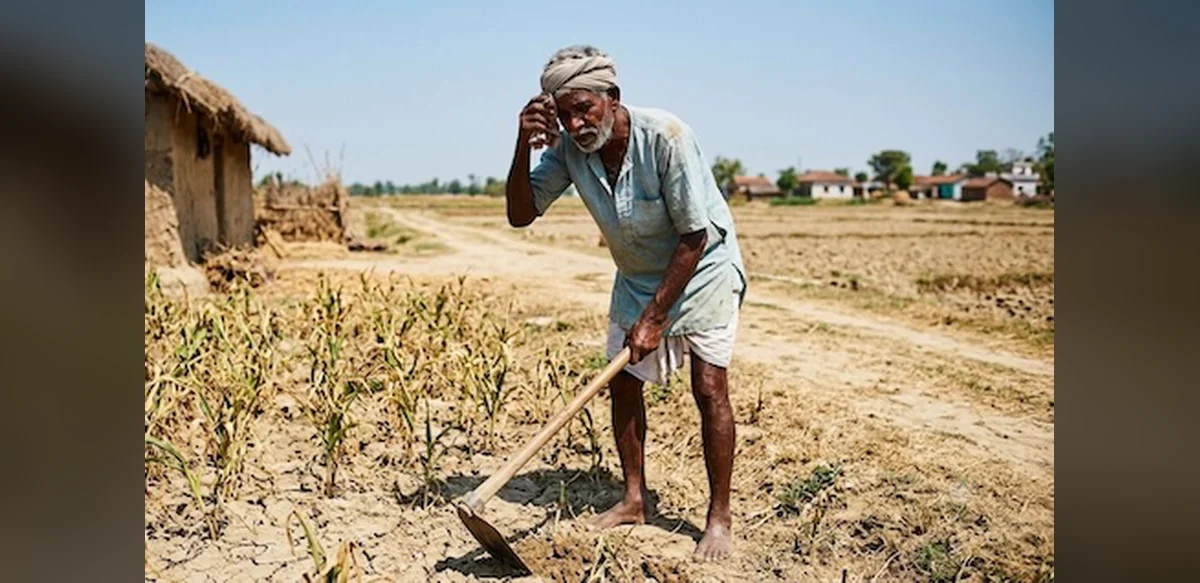
India and Pakistan regularly experience high temperatures at this time of year before the monsoon arrives. This season, however, has brought unusually intense and prolonged heat that started in mid-April. Maximum daily temperatures have exceeded 46°C in many places, with some regions 5–8°C above normal averages.
The heat has increased electricity demand in India as air conditioners run continuously and has worsened drought across more than a million square kilometres in both nations. When high heat combines with humidity, the conditions become especially dangerous because the human body struggles to cool itself. At least 37 deaths have been reported in India and 10 in Pakistan, though these numbers are probably underestimates.
Persistent high-pressure systems have contributed to the severity by limiting cloud cover and rainfall. With drier soils, less heat is absorbed through evaporation, allowing surface temperatures to rise further. Urban areas suffer most at night as concrete and asphalt release stored heat, raising health risks for residents without cooling.
Climate change is a key underlying factor. Analysis indicates the April heatwave was made roughly three times more likely and about 1°C hotter by human-caused warming. At current global temperatures, similar events may occur every five years. Higher future warming could bring them every two to three years and make them 2.2°C hotter.
Humidity intensifies the threat. Sweating becomes less effective when air already holds much moisture, allowing body temperature to climb. Wet-bulb temperatures combining heat and humidity have reached dangerous levels in parts of the region. Older adults face serious risk at combinations such as 35°C with 90 percent humidity, while even healthy young adults can be endangered at 45°C with 40 percent humidity. Many weather reports do not include wet-bulb readings, so exact exposure remains uncertain.
The Indo-Gangetic Plain now experiences 40–50 percent relative humidity during summer, altering the pattern of heat exposure.

