


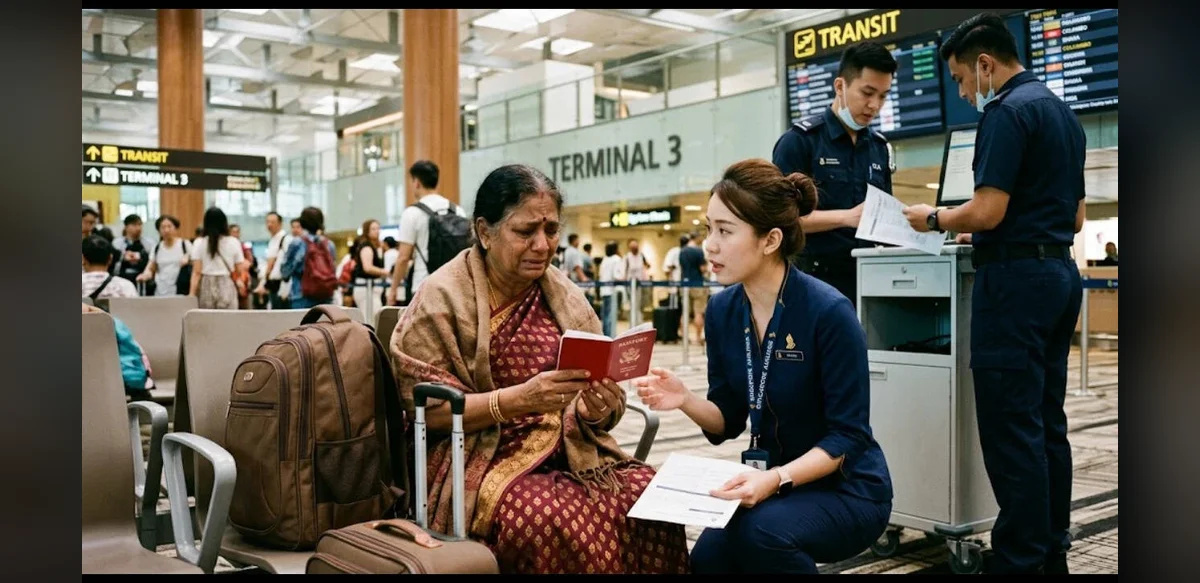
A recent report highlights an unusual immigration case involving a woman traveling to the United States who was reportedly turned away after her visa status changed while she was in transit. According to accounts shared by a family member, the traveler faced denial at an intermediate point in Singapore due to a brief overstay from an earlier trip that exceeded the allowed period by just two days.
The incident underscores the strict enforcement of entry rules by US authorities, where even small previous violations can lead to sudden changes in visa validity. The family member described the situation as the visa being withdrawn mid journey, resulting in the passenger being sent back rather than continuing onward. Such outcomes often stem from automated checks that flag discrepancies in travel history before arrival at the final destination.
Immigration procedures for visitors to the United States require careful adherence to approved stay durations. Overstaying, regardless of length, can trigger future restrictions or cancellations. In this instance, the short excess period from the prior visit apparently activated a review that affected the current journey. Officials at transit points like Singapore commonly coordinate with destination countries to verify documents ahead of boarding or upon landing.
Family members involved in the matter expressed surprise at the timing of the decision, noting that the traveler had prepared all necessary paperwork for the trip. The case illustrates how digital systems used by border agencies can update statuses in real time, sometimes catching individuals unaware during layovers. Travelers are advised to review their records thoroughly before departure to avoid similar disruptions.
Broader discussions around visa policies emphasize the importance of compliance with all conditions listed on entry documents. Minor infractions from past visits may resurface during new applications or travels, leading to denials without prior notice. This particular report has prompted online conversations about the challenges faced by international visitors navigating complex entry requirements.
Experts in travel regulations suggest that individuals with any history of extended stays should consult official sources or legal advisors prior to booking flights. Automated alerts and inter agency data sharing mean that even brief oversights can have immediate consequences at airports worldwide. The situation in Singapore serves as a reminder of how transit hubs play a key role in enforcing destination country rules.
While details remain limited to the family account, the event points to ongoing issues in global mobility where technology intersects with personal travel plans. Passengers are encouraged to maintain accurate records and monitor any communications from embassies or airlines regarding their status. Cases like this highlight the need for vigilance when dealing with international borders and visa terms.
Additional context from similar reported incidents shows that overstay flags can appear at various stages, including during connections in third countries. Airlines often receive instructions to prevent boarding if issues are detected, aiming to reduce complications upon arrival. The two day excess mentioned in the account appears to have been sufficient to prompt such action in this scenario.
Public interest in these matters frequently centers on fairness and transparency in enforcement practices. Affected parties sometimes share experiences to raise awareness about potential pitfalls in the system. For those planning trips to the United States, understanding the full implications of previous travel compliance is essential to prevent unexpected halts.
The overall process involves multiple layers of verification that can extend to transit locations. This ensures that only individuals meeting all criteria proceed to their intended ports of entry. The reported revocation during flight emphasizes the dynamic nature of these checks and their impact on individual journeys.
In conclusion, this account provides insight into the practical effects of immigration rules on everyday travelers. It serves as a cautionary example for maintaining strict adherence to visa conditions across all visits. Future travelers may benefit from double checking histories and seeking guidance to minimize risks associated with even minor past discrepancies.

