

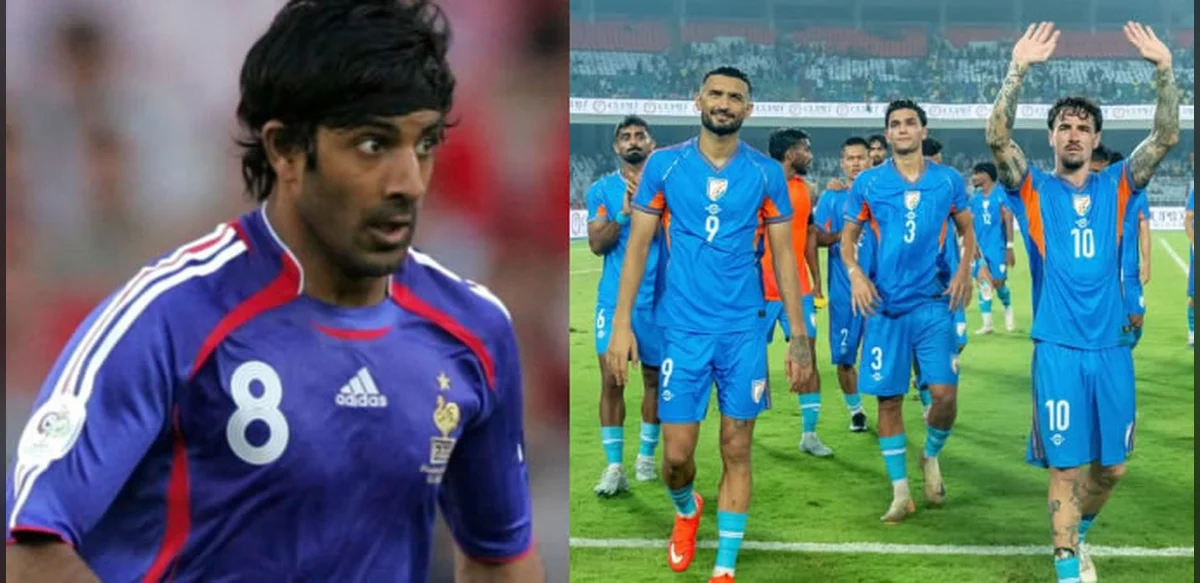
Former France international Vikash Dhorasoo has outlined an ambitious plan aimed at advancing football in India. In recent remarks, he stressed the need for improved structures that support young players from an early age. His comments focus on building solid foundations through better training methods and dedicated coaching staff across the country.
Dhorasoo, who has experience at the highest levels of European football, believes India possesses untapped potential in the sport. He points out that consistent investment in grassroots initiatives could help identify and nurture talent more effectively. According to his perspective, current efforts require greater coordination between clubs, schools, and national bodies to create clear pathways for aspiring athletes.
The former midfielder highlighted coaching as a critical area for development. He suggested that India would benefit from programs that train more qualified instructors capable of working with children and teenagers. Such measures, he noted, would raise overall standards and allow players to acquire essential skills at younger ages.
Dhorasoo also spoke about the importance of long-term planning. Rather than short-term results, he advocates for strategies that span multiple years and focus on sustainable growth. This approach includes regular competitions for youth teams and access to modern facilities in various regions.
Observers note that Dhorasoo’s background gives his views particular weight. Having competed in major leagues abroad, he understands the demands of professional football and the preparation needed to reach that level. His recommendations center on adapting proven methods to the Indian context while respecting local conditions.
The discussion comes at a time when interest in football continues to grow in India. More children are participating in the sport, and several academies have emerged in recent years. Dhorasoo’s input adds to ongoing conversations about how to translate this enthusiasm into competitive success on the international stage.
He emphasized collaboration among stakeholders. National federations, state associations, and private organizations could work together to standardize training curricula and share resources. Such partnerships might accelerate progress and reduce duplication of efforts.
Dhorasoo further mentioned the role of education alongside athletic development. Young players, he said, should receive support that balances sports with academic or vocational training. This holistic view aims to prepare individuals for life beyond their playing careers.
While specific timelines were not detailed, the overall message remains one of optimism paired with practical steps. Dhorasoo expressed confidence that targeted improvements in youth development and coaching can place Indian football on a stronger trajectory over the coming decade.
His vision aligns with broader calls for reform in the sport’s administration and infrastructure. By focusing on foundational elements rather than immediate results, the approach seeks to create lasting change that benefits future generations of players.
In summary, Dhorasoo’s statements provide a clear framework centered on youth investment and professional coaching standards. The ideas presented offer a starting point for discussions among those involved in Indian football at all levels.


