


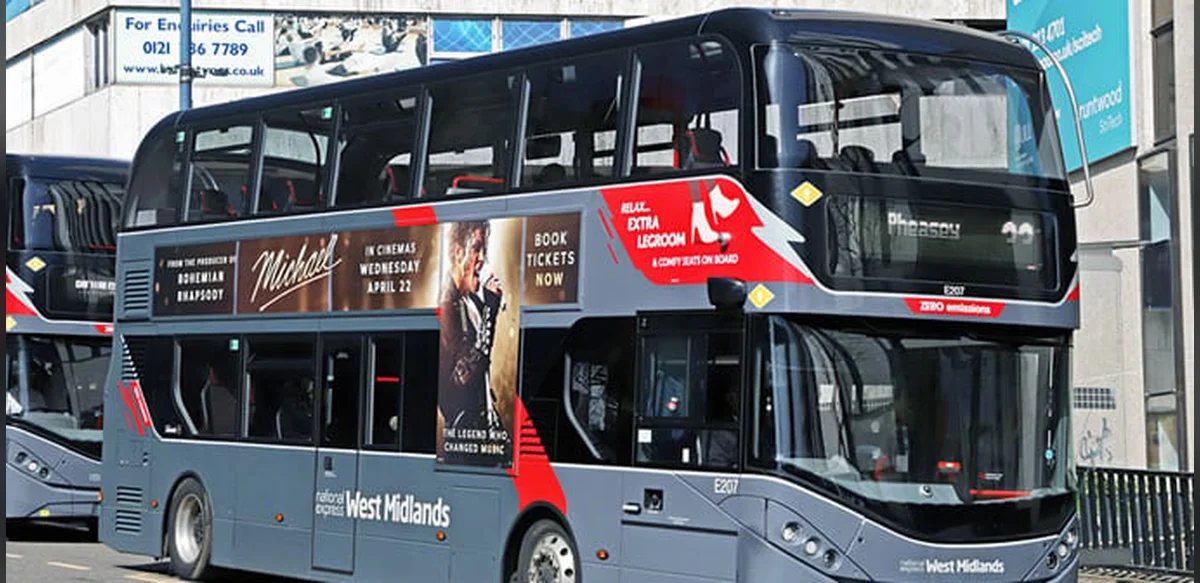
West Midlands bus services are scheduled to move back under public oversight beginning in April of the following year. This shift involves the introduction of a franchising model that will alter how routes and operations are managed across the region. Passengers can expect adjustments to services as the new framework takes effect.
The decision to bring bus operations under greater public authority reflects ongoing efforts to improve coordination and reliability in local transport. Under the franchising approach, authorities will determine routes, schedules, and standards while private companies deliver the actual services through contracts. This structure aims to create more consistency for riders who rely on buses for daily commuting and other travel needs.
Residents in the West Midlands area have long used bus networks as a primary means of getting around cities and towns. With franchising set to begin next April, planning for these changes is already underway. Officials have indicated that the transition will include reviews of current routes to better match passenger demand and reduce gaps in coverage.
One key aspect of the move to public control is the potential for unified ticketing and fare structures. Such measures could simplify travel for people who transfer between different bus lines or combine bus journeys with other forms of transport. While specific details on fares remain under discussion, the overall goal is to make the system more user-friendly.
The franchising process will also involve setting performance targets for operators. These targets may cover punctuality, vehicle cleanliness, and customer service standards. By holding providers accountable through contracts, authorities hope to address common complaints about delays and service quality that have affected riders in recent years.
For passengers, the changes could mean revised timetables and possibly new or modified routes in some neighborhoods. Authorities are expected to communicate these updates well in advance of the April start date to allow people time to adjust their routines. Information campaigns and updated maps are likely to accompany the rollout.
Public control of bus services has been discussed as a way to ensure that transport decisions prioritize community needs rather than solely commercial interests. In the West Midlands, this could lead to better integration with other local initiatives such as housing developments or employment zones. The franchising model provides a mechanism for ongoing adjustments based on feedback from users.
The transition period leading up to April will involve negotiations with current operators and preparation of tender documents. This phase is critical to maintaining service continuity while the new system is established. Passengers are advised to monitor official announcements for any temporary disruptions during the handover.
Overall, the return to public oversight represents a significant shift in how bus travel is organized in the region. With franchising commencing next April, the focus remains on delivering reliable and accessible services that meet the needs of daily commuters and occasional travelers alike. Further updates on specific route changes and fare options are anticipated as implementation progresses.

