


Liz Allen, Australian National University
Do you want reliable toilet flushing at home or on holiday across Australia? Would you like to influence where new schools are constructed? Or do you want improved support for people experiencing homelessness?
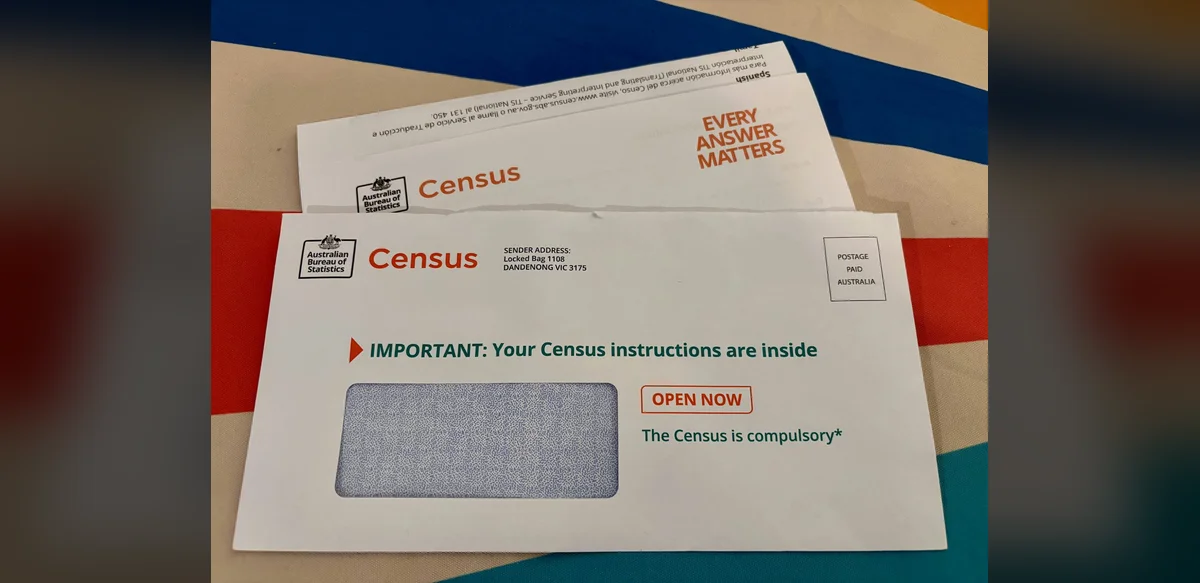
Australian households are beginning to receive letters with instructions for completing the 2026 census.
The information gathered through census forms supports decisions on sewage systems, hospitals, schools and other services.
Here are ten key points about changes in this census, penalties for non-compliance or false answers, data handling and assistance options.
1. What is the census?
Conducted every five years by the Australian Bureau of Statistics, the Census of Population and Housing provides a full count of residents and their living conditions.
The census records details for every person present on Tuesday August 11 across 10.8 million households. It also covers homeless individuals and remote communities.
It includes all people in Australia that night, such as tourists, students and temporary visa holders, not only citizens.
The form is available in 27 languages.
2. What’s new this time?
There are 12 updates: two new questions and adjustments to ten existing topics.
Ancestry responses increase from two to four. Minor revisions apply to religion, health, transport and employment sections.
Language on sex now specifies “sex recorded at birth”. The question on number of children ever born moves to ten-yearly collection and will appear in 2031.
Two new optional questions for those over 16 cover sexual orientation and gender.
3. Is it compulsory and what are the penalties?
Completion is mandatory and takes roughly 30 minutes.
Failure to respond can lead to daily fines of A$364. Providing false information may result in fines up to $3,640.
4. Why does it matter?
Census data guides planning for wastewater facilities and prevents sewage issues during peak periods.
It informs school locations and staffing by combining population figures with education records.
Improvements in counting methods now better capture people experiencing homelessness, most often as couch surfers.
5. When is the deadline?
Forms can be submitted once received if location on census night is known. Paper returns should be posted promptly.
6. Are responses private?
Privacy is protected by law. Names and addresses are separated from answers after receipt. Paper forms are destroyed after data entry.
7. What happens to online data?
About 85 percent of responses are expected online. Data security follows strict legal standards.

