


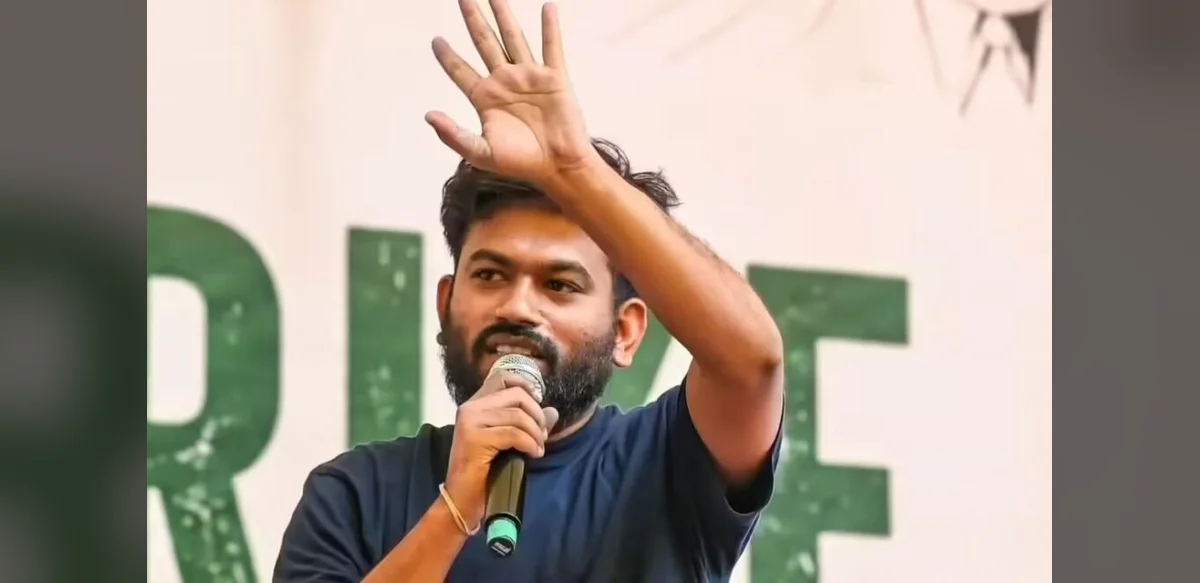
Shivaji Mukherjee from Simon Fraser University notes that Gen Z demonstrators have protested in large numbers across South Asia, including Nepal, Sri Lanka and Bangladesh, resulting in changes of government. These actions form part of a wider international youth movement driven by economic insecurity, lack of political access and graft, often met with official crackdowns. India, the largest democracy, had appeared largely unaffected until recently. In July, thousands of students, families and young adults assembled near Jantar Mantar in Delhi to oppose the cancellation of a medical entrance test following a question paper leak that contributed to several suicides. Additional concerns include high unemployment, limited job prospects for graduates and a higher education system seen as increasingly profit-driven and ineffective. Security forces deployed sticks, pellet guns and tear gas, leading to injuries and widespread anger that prompted Prime Minister Narendra Modi to accept the resignation of Education Minister Dharmendra Pradhan. Although the demonstrations may not immediately create employment, they could help curb erosion of democratic norms. Research by Princeton scholar Mark Beissinger highlights how urban growth has revived revolutions in cities through mass participation, while studies on social media show its role in organizing movements from the Arab Spring onward by bypassing surveillance. In reaction to a Supreme Court justice likening jobless youth to cockroaches, Boston University student Abhijeet Dipke launched a social media campaign asking what would happen if the cockroaches united. This led to the Cockroach Janata Party, a satirical group that quickly gained 24 million followers, exceeding the ruling Bharatiya Janata Party’s online base. The party amplified youth anger over the exam leaks and student deaths, drawing further backing from activist Sonam Wangchuk’s hunger strike. At a national campaign launch, Dipke observed that over 65 percent of the population is under 35 yet leaders focus mainly on religious politics rather than education and work. Unlike earlier protests such as Shaheen Bagh, which authorities could portray as extremist, or the farmers’ agitation that succeeded after broad regional support made it politically costly to ignore, these youth actions reached parliament and gained wider resonance.

