

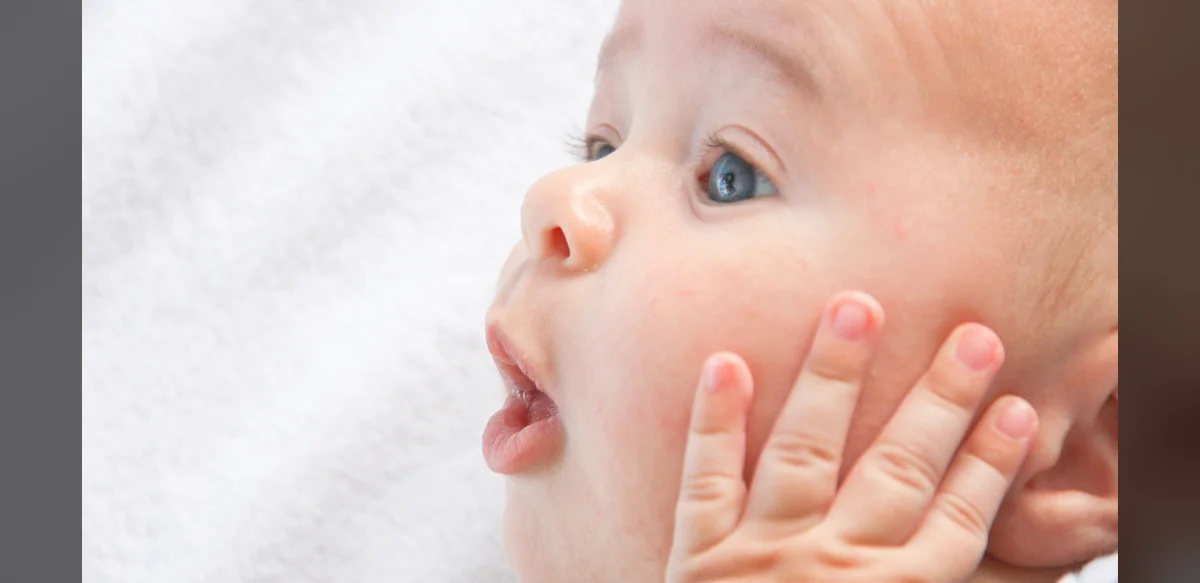
Babies may display behaviors that resemble deception earlier than many expect. Actions such as stopping cries when picked up, hiding objects after being told not to touch them, or denying eating chocolate despite visible evidence can appear like lying to parents. However, infants lack a full grasp of truth, consequences, or others’ beliefs. Researchers describe these as broader behaviors involving hiding information, avoiding outcomes, or influencing others. A 2026 study in Cognitive Development used the Early Deception Survey to review reports from parents of children aged 10 to 47 months. It identified 16 types of such behaviors. The earliest example involved an 8-month-old. Estimates showed 25 percent of children engaged in at least one by around 10 months, 50 percent by 16 months, and 75 percent by 24 months. These do not indicate deliberate, complex lies. The study relied on parental observations, and researchers noted challenges in distinguishing intentional acts from typical infant actions. Parent reports sometimes differed from lab measures. For young children, these behaviors can be simple, such as hiding items, ignoring calls, denying actions, or acting when unsupervised. As language and thinking grow, they may include excuses or stories. A baby learning that crying brings attention is forming basic links between actions and responses. A toddler hiding a toy shows emerging awareness of others’ knowledge. This ties to theory of mind and executive function. Meta-analyses link lying to these skills, with stronger ties when maintaining lies. Deception forms part of normal development and grows more advanced with cognitive and social growth. Parents may consider the child’s intent, such as avoiding trouble or testing rules, rather than labeling them as dishonest.


