

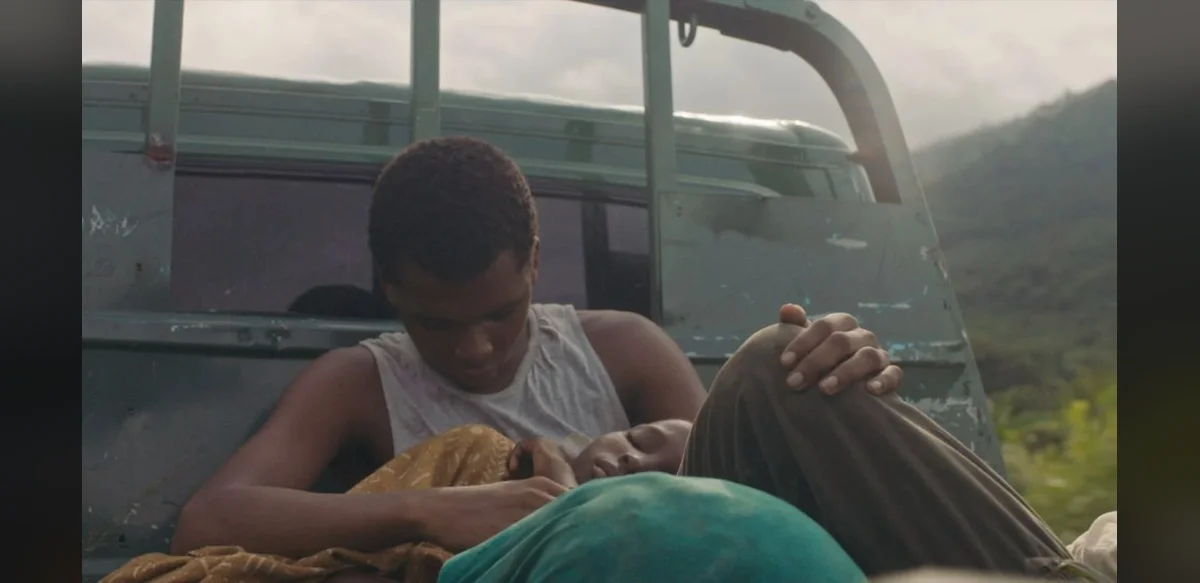
A new Ghanaian drama marks the first feature from director Amartei Armar and centers on the experiences of two orphans who set out for the capital city of Accra. The story examines their search for relatives amid broader social changes brought by rapid economic growth.
The narrative highlights the challenges faced by individuals without traditional support networks in contemporary society. It portrays the journey as both physical and emotional, showing how personal connections can form outside conventional family structures.
Reviewers have noted the film’s measured pace and focus on character development. Scenes set in urban and rural environments illustrate contrasts between different ways of life in the country. The production uses natural lighting and location shooting to ground the events in recognizable settings.
Themes of resilience and adaptation run through the plot. The characters encounter various people along the way, each interaction revealing aspects of community life and individual circumstances. These encounters underscore the idea that support can come from unexpected sources.
The film addresses the impact of economic shifts on social bonds. It presents a view of a society adjusting to new pressures while maintaining older values of kinship and mutual aid. Dialogue and visual storytelling convey the quiet determination of the protagonists.
Production details indicate a modest budget that emphasizes storytelling over spectacle. The cast includes performers new to feature films, contributing to an authentic tone. Sound design incorporates ambient elements from Ghanaian streets and landscapes.
Early audience responses point to the emotional weight of the central relationships. The story avoids melodrama in favor of understated moments that build gradually. This approach allows viewers to reflect on the broader implications of family and belonging.
The release comes at a time when discussions about social welfare and community support are active in several African nations. The drama adds a personal perspective to these conversations without offering direct commentary. Instead, it lets the characters’ experiences speak for themselves.
Distribution plans include festival screenings followed by wider availability in select markets. Subtitles in multiple languages are expected to accompany the original audio track. The project represents part of a growing body of independent cinema from the region.
Further analysis of the film may explore its place within recent Ghanaian productions that tackle similar social topics. Comparisons to earlier works could highlight evolving approaches to narrative and visual style. The debut establishes a foundation for potential future projects from the same creative team.
Overall, the motion picture offers a reflective look at personal journeys in changing times. Its emphasis on empathy and connection provides a counterpoint to fast-paced modern life. Viewers interested in character-driven stories may find the work engaging.


