

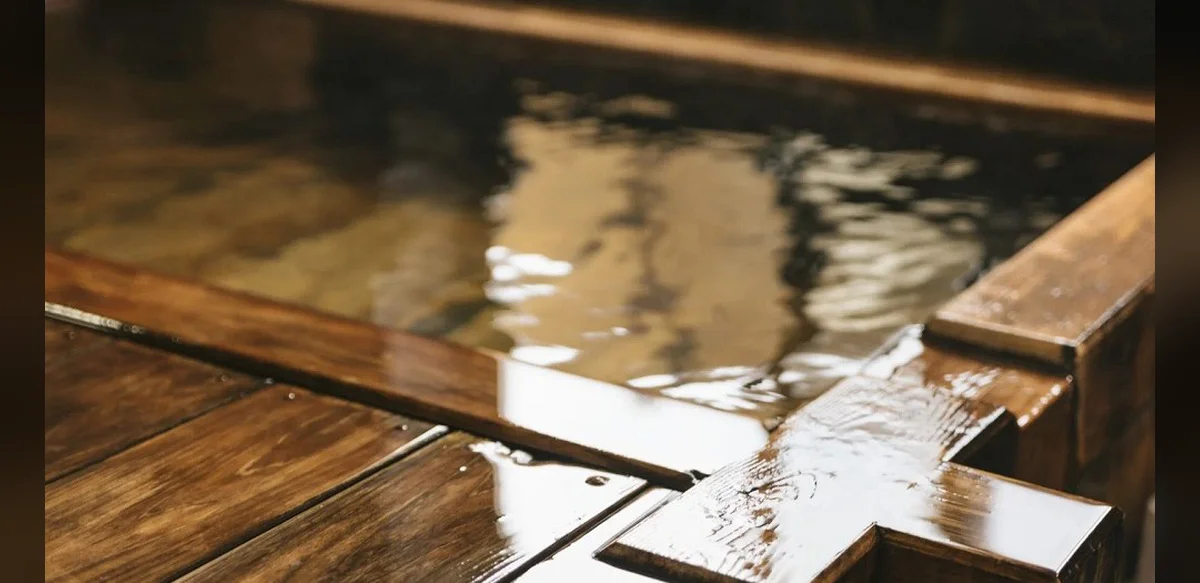
A recent seismic event in Kumamoto City has drawn attention to an unusual occurrence at a local izakaya. Shortly after the ground shook, the establishment began to fill with water that was notably warm and carried a distinct sulfur odor. Observers on site noted the rapid influx, which started almost immediately following the tremors. This development has prompted speculation that the quake may have opened a pathway for geothermal water to surface within the building.
The izakaya, a common type of casual dining spot in Japan, experienced flooding that appeared different from typical water damage. The liquid was described as heated and emitting a smell often associated with natural mineral springs. Staff and patrons present during the incident reported the water emerging from below the floor level, spreading across the interior space. No injuries were linked directly to this flooding, though the event added to the disruption caused by the earthquake itself.
Local authorities have been informed of the situation, and initial assessments suggest the water source could be connected to underground geothermal activity. Such phenomena are not unheard of in regions with volcanic history, where seismic movements can alter water flows. In this case, the timing aligns closely with the quake, leading some to consider the possibility of a newly formed hot spring emerging in an urban setting.
Residents in the area have expressed a mix of curiosity and concern. While the idea of a natural hot spring appearing unexpectedly holds appeal for some, the location inside a commercial building raises practical questions about safety and property use. Officials are expected to conduct further tests to determine the water’s composition and temperature stability over time.
The broader impact of the earthquake continues to be evaluated across Kumamoto City. Structural checks on various buildings remain ongoing, with attention now also turning to this specific site. Experts in geology have been consulted to understand whether the water flow represents a temporary shift or a more lasting change in the local environment.
Community members have shared accounts of the moments after the quake, highlighting the surprise at seeing water rise indoors. The sulfur scent was particularly noticeable, distinguishing it from standard plumbing issues. Cleanup efforts are underway, though decisions about the future of the space may depend on the results of ongoing investigations.
This incident underscores the unpredictable effects that earthquakes can have beyond immediate shaking and damage. In areas prone to such events, secondary phenomena like altered water sources can emerge, requiring additional monitoring. For now, the focus stays on verifying the nature of the water and ensuring public safety in the affected zone.
Further updates are anticipated as more data becomes available from site visits and laboratory analysis. The event serves as a reminder of the dynamic geological processes that can influence daily life in seismically active regions. Local businesses, including the izakaya in question, are working to resume normal operations while adapting to these new circumstances.
In summary, the combination of seismic activity and the appearance of heated, mineral-rich water has created an unusual situation in Kumamoto City. Continued observation will help clarify whether this represents the formation of a new hot spring or another related effect of the recent quake. Authorities emphasize caution and recommend following official guidance during the assessment period.


