

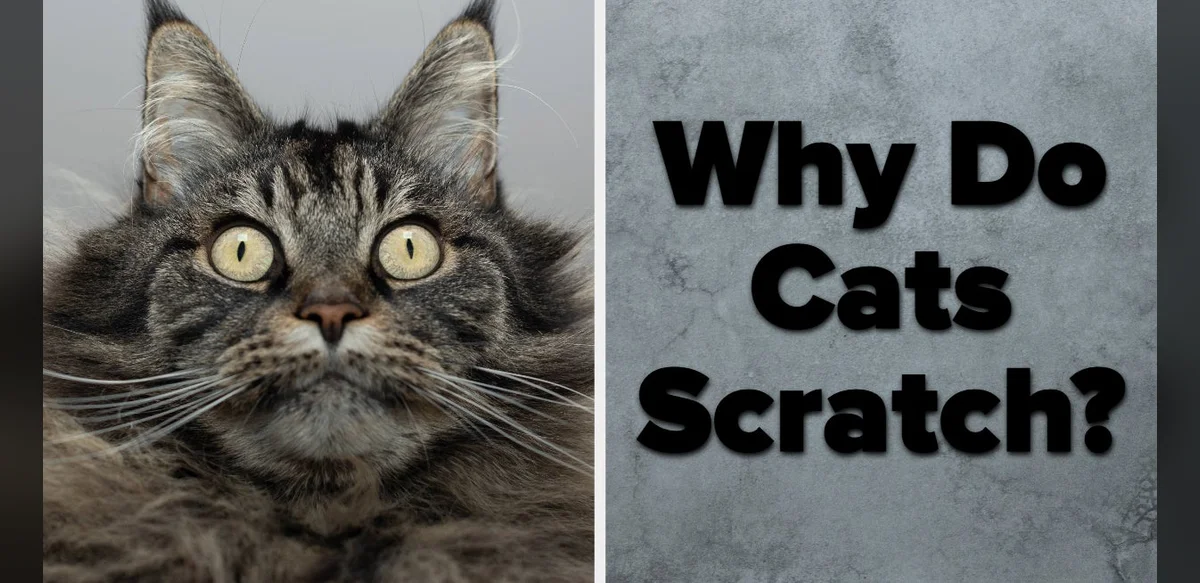
Cat owners often encounter distinctive patterns in feline conduct that set their pets apart from other animals. These behaviors include sudden bursts of energy followed by extended periods of rest, selective responses to human interaction, and an apparent disregard for conventional rules of household movement. A new trivia format highlights these traits through a series of questions designed to measure familiarity with everyday cat habits.
Participants answer queries on topics such as preferred resting locations, reactions to unfamiliar sounds, and methods of communication through body posture. Correct responses frequently rely on direct observation rather than general assumptions about animal conduct. The quiz structure presents multiple scenarios, each reflecting common situations reported by households with cats.
One section focuses on feeding routines. Questions explore why some cats reject food presented in certain dishes while accepting the same items from others. Additional items address the tendency of cats to seek warmth from electronic devices or to occupy spaces recently vacated by people. These details emerge from repeated patterns noted across various living environments.
Another portion examines play and hunting instincts. Items describe the use of household objects as substitutes for prey and the timing of activity peaks during early morning or evening hours. Respondents must identify which actions align with natural feline drives rather than learned behaviors from human companions.
The format also covers grooming and health indicators. Questions touch on excessive licking in specific body areas, changes in vocalization frequency, and responses to temperature shifts within the home. Accurate answers depend on recognizing subtle shifts that owners observe over months or years of cohabitation.
Further questions address social dynamics between multiple cats in one residence. Topics include territory marking through scent rubbing, hierarchical positioning during shared resting times, and occasional displays of tolerance toward other pets. The quiz avoids speculation and sticks to observable actions documented in domestic settings.
Results from early participants indicate that individuals with prolonged daily contact score higher. Those with limited exposure tend to select answers based on popular media portrayals rather than actual encounters. The exercise serves as a measure of accumulated practical knowledge rather than theoretical study.
Organizers note that the questions draw from widespread reports without claiming universality across all cats. Individual variation remains a consistent factor, influenced by age, breed tendencies, and prior experiences. The trivia therefore functions as an informal assessment tool for those already engaged in cat care.
Additional segments explore responses to travel or changes in routine. Cats may display avoidance or heightened alertness when carriers appear, and some adjust quickly to new feeding stations while others resist. These patterns repeat across accounts from different regions and housing types.
The overall presentation maintains a straightforward approach, presenting facts in sequence without narrative embellishment. Each question stands alone, allowing participants to draw from personal experience. Completion provides a snapshot of how closely daily observations match typical feline conduct described in the quiz.
Discussions following the activity often center on shared anecdotes that confirm or expand upon the listed items. Owners exchange notes on adaptations they have made to accommodate specific preferences, such as elevated resting platforms or designated quiet zones. These exchanges reinforce the value of attentive, ongoing interaction.
The trivia remains accessible through digital platforms, with options for single or repeated attempts. No specialized equipment is required beyond familiarity gained from routine care. Its design emphasizes recognition of established behaviors over prediction of future actions.
In summary, the challenge underscores the depth of insight required to interpret cat logic accurately. Success correlates with sustained attention to detail rather than generalized assumptions. Households that integrate these observations into daily management report smoother coexistence and fewer misunderstandings during routine activities.


