


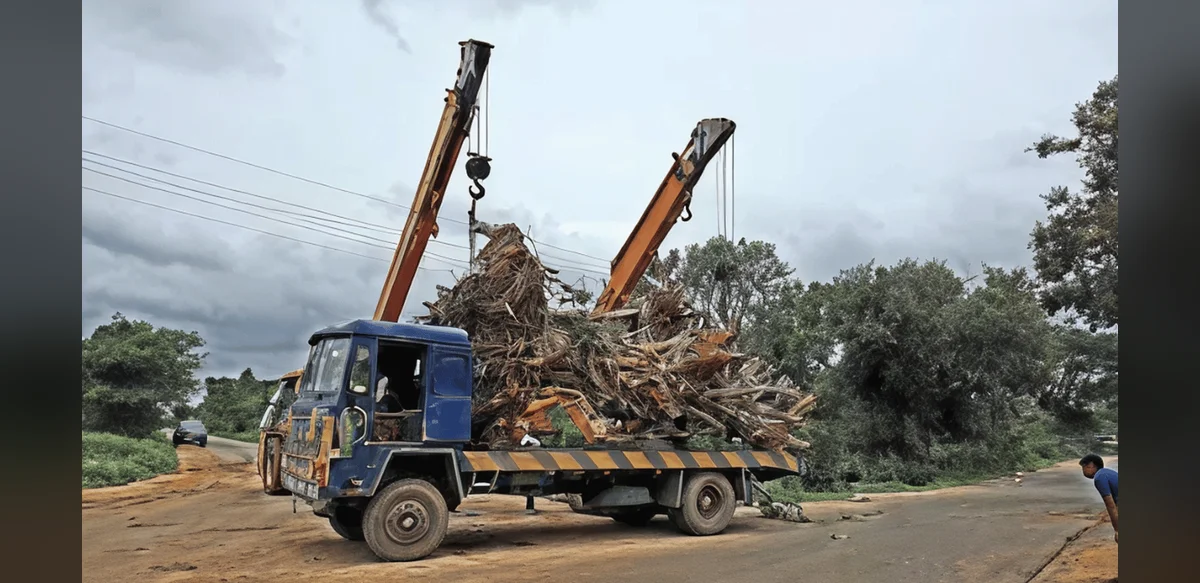
In the bustling city of Hyderabad, a road development initiative presented a significant environmental challenge when it required the removal of numerous established trees. Rather than opting for straightforward cutting, the project leader chose a path focused on relocation to maintain the area’s natural assets. This decision involved shifting approximately eight hundred mango trees to a new location, a process that spanned eight months from start to finish.
The effort relied on specialized knowledge from an organization experienced in moving large trees, including varieties like banyans. Detailed planning ensured each tree was handled with care to promote successful adaptation in its new setting. Such meticulous preparation highlights the complexities involved in balancing urban growth with ecological considerations.
Over time, this foundation has demonstrated its capabilities by successfully transferring more than seventeen thousand five hundred trees across various projects. Their work underscores a broader commitment to conservation practices that support long-term environmental health amid expanding infrastructure needs.
The relocation of these mango trees serves as an example of how development projects can incorporate preservation strategies. By avoiding outright removal, the initiative helped retain valuable vegetation that contributes to local ecosystems, air quality, and potential future yields from the fruit-bearing plants.
Challenges in such operations often include assessing tree health, preparing root systems, and selecting suitable new sites with appropriate soil and climate conditions. The eight-month timeline allowed for phased execution, reducing stress on the plants and increasing chances of survival post-move.
This approach aligns with growing awareness about sustainable practices in construction and urban planning. Preserving mature trees rather than replacing them with younger ones can offer immediate benefits in terms of shade, biodiversity support, and aesthetic value to the surrounding area.
Communities near the project site may notice continued access to the benefits these trees provide, such as fruit production and habitat for local wildlife. The foundation’s track record suggests high success rates when proper techniques are applied, offering reassurance that the relocated mango trees can thrive.
Overall, the project illustrates thoughtful integration of conservation into infrastructure work. It provides a model for similar efforts elsewhere, where decision-makers weigh options beyond simple clearance to foster more harmonious development outcomes.
By investing time and expertise in relocation, the initiative avoided unnecessary loss of greenery. This not only supports immediate project goals but also contributes to wider environmental objectives in the region.
The story of these eight hundred trees reflects ongoing dialogues about responsible growth in rapidly developing areas. It emphasizes that with collaboration and specialized support, urban expansion need not come at the total expense of natural elements.
In conclusion, the completed relocation stands as a positive step toward more balanced approaches in city planning. Future projects may draw from this experience to explore preservation methods that sustain both progress and the environment.

