

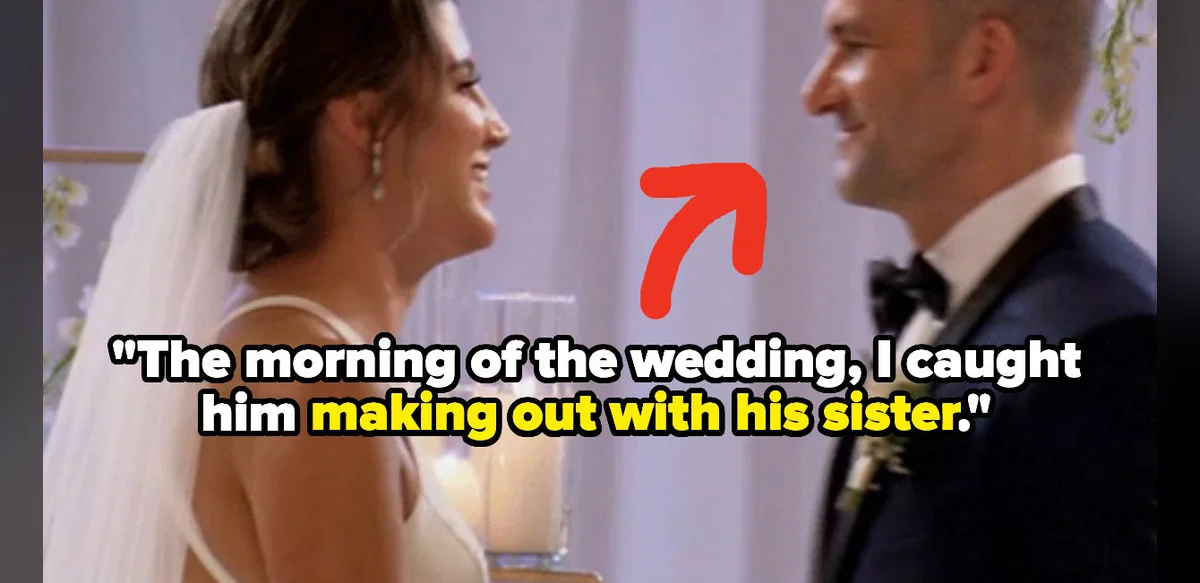
Personal accounts from individuals who chose to end their engagements on the day of their ceremonies highlight a range of unexpected challenges that surfaced at the last moment. One woman described discovering her partner in a compromising situation with a close friend just before the event was set to begin. After confronting the pair, she informed her family and proceeded to address the gathering directly, explaining her decision to cancel the proceedings.
Similar stories from other women reveal patterns involving sudden realizations about compatibility, hidden behaviors, or external pressures that became impossible to ignore under the stress of the occasion. In several cases, doubts that had been present for months crystallized during the final preparations, leading to calm but firm announcements to guests and vendors.
Journalistic reviews of these experiences suggest that while such cancellations are uncommon, they often stem from issues like financial disagreements, family conflicts, or revelations about past actions. Experts in relationship dynamics note that the high emotional stakes of a wedding day can amplify existing tensions, prompting decisive action.
Accounts also mention logistical aftermaths, including the return of gifts, notification of absent attendees, and adjustments to travel plans. Many of those involved reported initial feelings of relief mixed with sadness, followed by gradual recovery through support networks and personal reflection.
Broader discussions around these events point to the importance of open communication prior to major commitments. Counselors recommend addressing concerns early rather than allowing them to build until a critical point. Data from wedding industry surveys indicate that while most ceremonies proceed as planned, a small percentage encounter last-minute changes due to personal reasons.
Stories shared publicly emphasize themes of self-respect and the courage required to prioritize long-term well-being over social expectations. Participants described receiving mixed reactions from relatives and friends, with some offering understanding and others expressing surprise.
In one narrative, a bride learned of her partner’s undisclosed debts on the morning of the event, leading to a private discussion that resulted in mutual agreement to postpone indefinitely. Another recounted discovering incompatible views on future family plans during a final conversation with the intended spouse.
These incidents underscore the complexity of modern relationships and the value placed on authenticity during significant life transitions. Mental health professionals advise that processing such experiences may involve professional guidance to navigate emotional responses effectively.
Overall, the collected experiences serve as reminders that weddings represent not only celebrations but also pivotal decision points where individuals assess their readiness for partnership. Continued dialogue on these topics may help others recognize warning signs in advance.


