

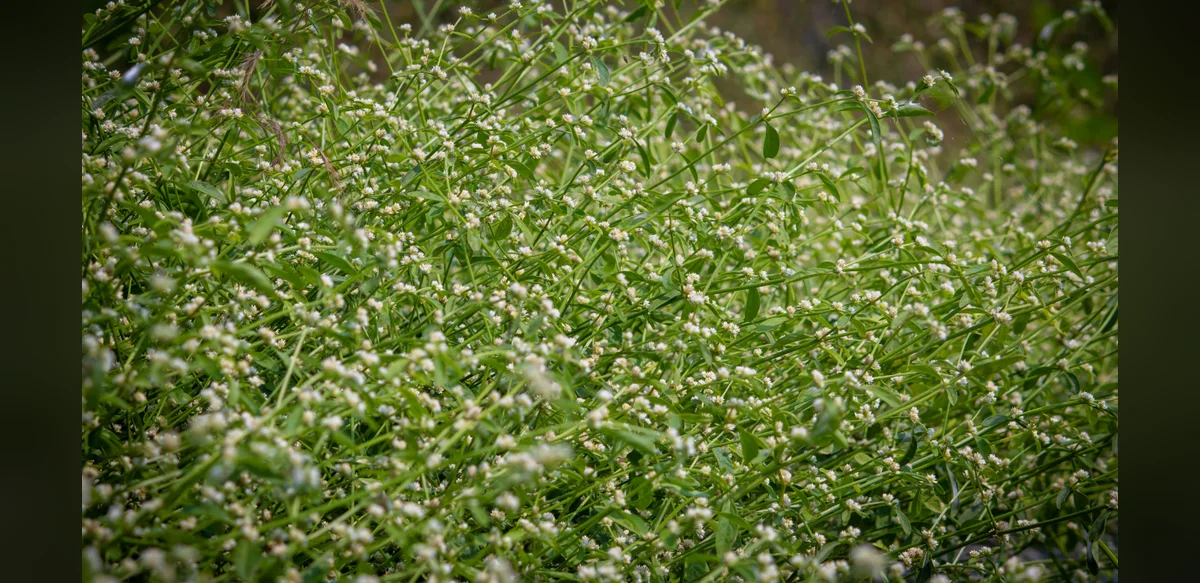
A small white-flowered plant has become a major invasive species across India. Parthenium hysterophorus arrived in the 1950s as a contaminant in wheat shipments from the United States. It spread rapidly from ports and rail yards to roadsides, farmland, and waste areas nationwide, earning names such as Congress grass and carrot grass. The plant produces abundant seeds and thrives in poor soils, allowing quick colonization. Its pollen and hairs trigger skin rashes, hay fever, asthma, and bronchitis in exposed people. It also releases chemicals that inhibit nearby crops and native plants while proving unpalatable to livestock, reducing fodder yields. Control measures include manual removal and herbicides, yet a Mexican beetle introduced in the 1980s has provided effective biological suppression in many regions. Sustained success requires ongoing monitoring and public education.


