

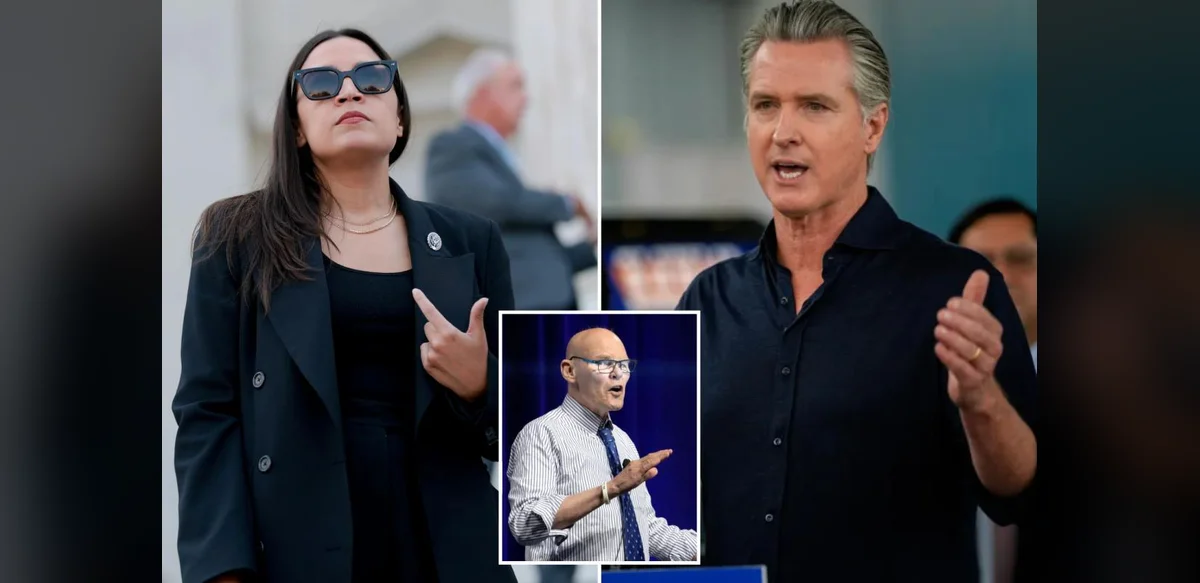
In recent months, observers have noted an increasing number of far-left candidates securing victories in Democratic primaries across several states. This development has prompted concern among some moderate party members who worry about the broader implications for the party’s direction.
Political strategist James Carville has weighed in on the matter, suggesting that the 2028 presidential primary will serve as a key indicator of the influence held by the party’s socialist-leaning faction. He emphasized that the contest will reveal whether this wing can sustain momentum or if more centrist voices will regain prominence.
The trend of progressive candidates succeeding in primaries has been documented in various regions, often highlighting issues such as economic inequality, healthcare access, and climate policy. These wins have sparked internal debates within the Democratic Party about strategy and voter appeal.
Moderate figures have expressed alarm that an overemphasis on far-left positions could alienate swing voters in general elections. They argue for a balanced approach that incorporates progressive ideas while maintaining broad electability.
Carville’s comments come amid ongoing discussions about the party’s future leadership and platform. Analysts note that primary outcomes often shape the national conversation leading into presidential cycles.
Supporters of the rising faction point to strong grassroots organizing and turnout among younger voters as evidence of shifting priorities. They contend that these victories reflect genuine demand for bolder policy changes.
Critics, however, caution that such shifts risk repeating past electoral challenges where ideological purity overshadowed pragmatic considerations. Historical patterns in party primaries show fluctuating influence between different ideological groups.
The 2028 cycle is expected to feature a wide field of candidates, making it a testing ground for competing visions within the party. Observers will closely monitor early contests for signs of consolidation or division.
Overall, the situation underscores the dynamic nature of political parties as they adapt to changing voter bases and societal issues. Both sides continue to advocate for their perspectives in public forums and internal meetings.
Further developments in upcoming state primaries may provide additional clarity on the trajectory of these trends. Party leaders are likely to engage in strategic planning to navigate the evolving landscape.


