

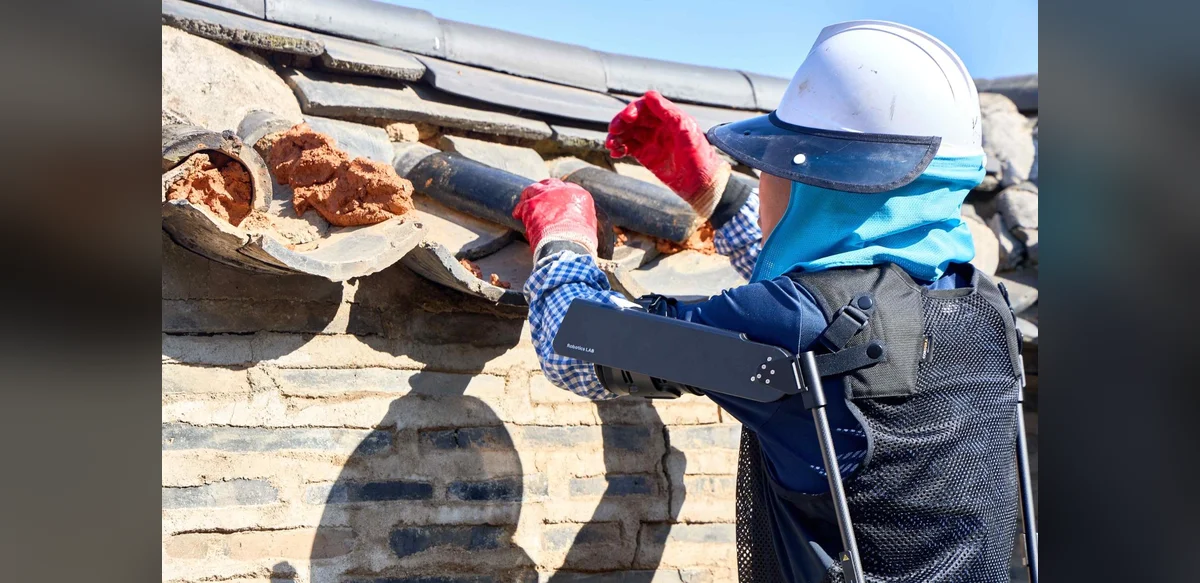
The Korea Heritage Service conducted a formal donation ceremony on Tuesday to accept ten wearable robotic devices donated by Hyundai Motor. The equipment is designed to assist workers performing physically demanding tasks at cultural heritage locations across the country. Officials stated that the devices will help reduce strain on the body during activities such as lifting heavy materials, maintaining balance on uneven surfaces, and carrying tools over extended periods.
During the event, representatives from both organizations highlighted the importance of protecting personnel who preserve historical structures. The wearable robots are intended to support natural movements while providing additional strength and stability. This approach aims to lower the risk of injuries that can occur in environments where traditional machinery may not be suitable due to site sensitivity.
Heritage sites often feature delicate architecture and restricted access, making conventional equipment impractical. The new devices are lightweight and adjustable, allowing workers to maintain precision while completing necessary conservation work. Organizers noted that the technology aligns with ongoing efforts to modernize preservation methods without compromising the integrity of the locations.
Staff members who will use the equipment received initial training on proper fitting and operation. The devices can be calibrated for different body types and task requirements. Feedback from early users is expected to guide any future adjustments or additional training sessions.
The donation reflects broader interest in applying assistive technology to specialized fields. Similar systems have been tested in construction and manufacturing, where repetitive physical labor is common. Adapting the technology for heritage work represents a targeted application that addresses unique challenges faced by preservation teams.
Authorities emphasized that worker safety remains a priority alongside the protection of cultural assets. By reducing physical burden, the devices may also help extend the careers of experienced personnel who might otherwise face limitations due to strain or fatigue. Long-term monitoring will assess the impact on daily operations and injury rates.
The ceremony concluded with demonstrations of the equipment in simulated work conditions. Attendees observed how the robots assist with posture support and load distribution. Further deployments are planned at selected sites based on operational needs and site accessibility.
This initiative is part of continued collaboration between government heritage agencies and private sector partners. Future discussions may explore additional tools or refinements to the current devices. The focus remains on practical solutions that support both human well-being and the careful stewardship of historical resources.


