

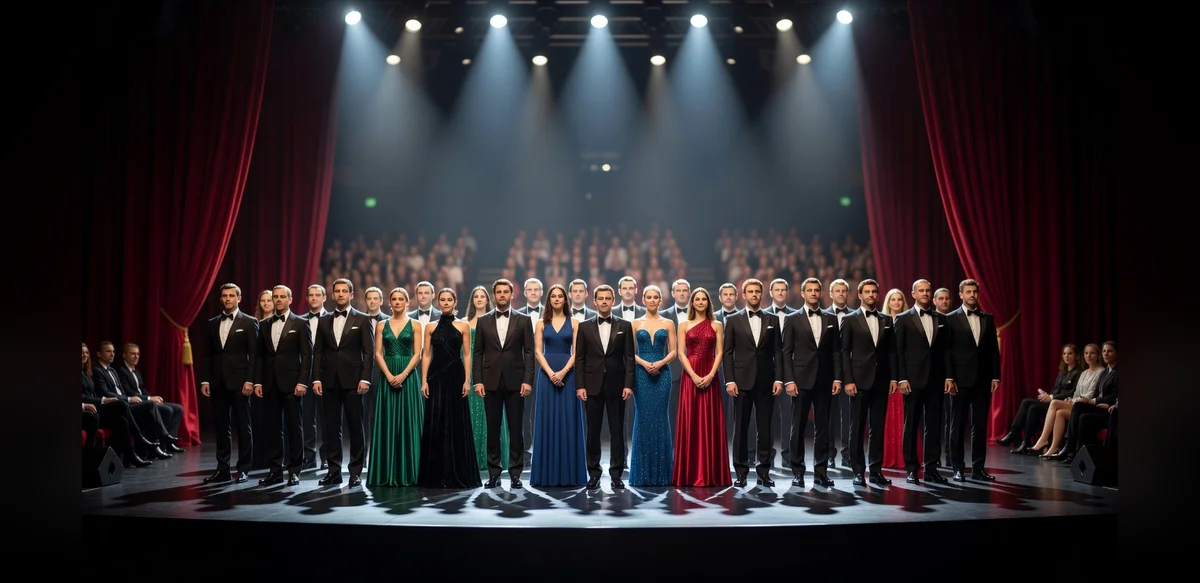
The Miss World pageant has confirmed that its 2026 edition will follow the same continental qualification structure used in the prior year. This approach ensures balanced participation from four major regional divisions aligned primarily with continental boundaries. The process carries through from initial selection stages to the concluding competition rounds.
Under the established rules, a total of forty participants will advance. These include ten representatives each from Africa, the Americas and the Caribbean, Asia, and Oceania. The equal allocation aims to provide consistent geographic representation at every level of the event.
Organizers have indicated that this regional balance will apply uniformly across preliminary activities and the final selection. By retaining the model, the competition seeks to maintain fairness in how delegates from different parts of the world progress through the schedule.
The four groupings reflect broad continental categories that have been in place recently. Africa covers nations on that continent, while the Americas and the Caribbean include countries from North, Central, and South America along with island nations in the Caribbean Sea. Asia encompasses participants from East, South, Southeast, and West Asia, and Oceania covers Australia, New Zealand, and Pacific island regions.
This structure allows each regional group to contribute an identical number of entrants to the later stages. The format supports an orderly progression where qualifiers from these divisions compete on equal footing in terms of numerical representation.
Details released so far emphasize continuity with the previous cycle. No alterations to the regional counts or groupings have been announced for the upcoming year. The focus remains on delivering a competition that highlights participants drawn evenly from the specified areas.
The pageant will unfold over several weeks, beginning with regional preparations and moving into combined events leading to the finale. Throughout, the forty delegates will take part in activities designed to showcase their backgrounds while adhering to the continental quota system.
By preserving this approach, the event continues to prioritize structured international involvement. The equal distribution of ten slots per region helps ensure that no single area dominates the later rounds numerically.
Further announcements regarding specific venues or additional programming elements are expected in the coming months. For now, the confirmed retention of the continental format provides clarity on participant numbers and regional balance for 2026.
The decision aligns with efforts to sustain a predictable and equitable framework. Observers note that the model has facilitated smoother organization in recent editions by standardizing delegate counts from each grouping.
In summary, the 2026 competition will feature forty delegates divided evenly among the four continental regions, mirroring the prior edition exactly in this regard. This setup will guide the event from qualifiers through to the final round.


