

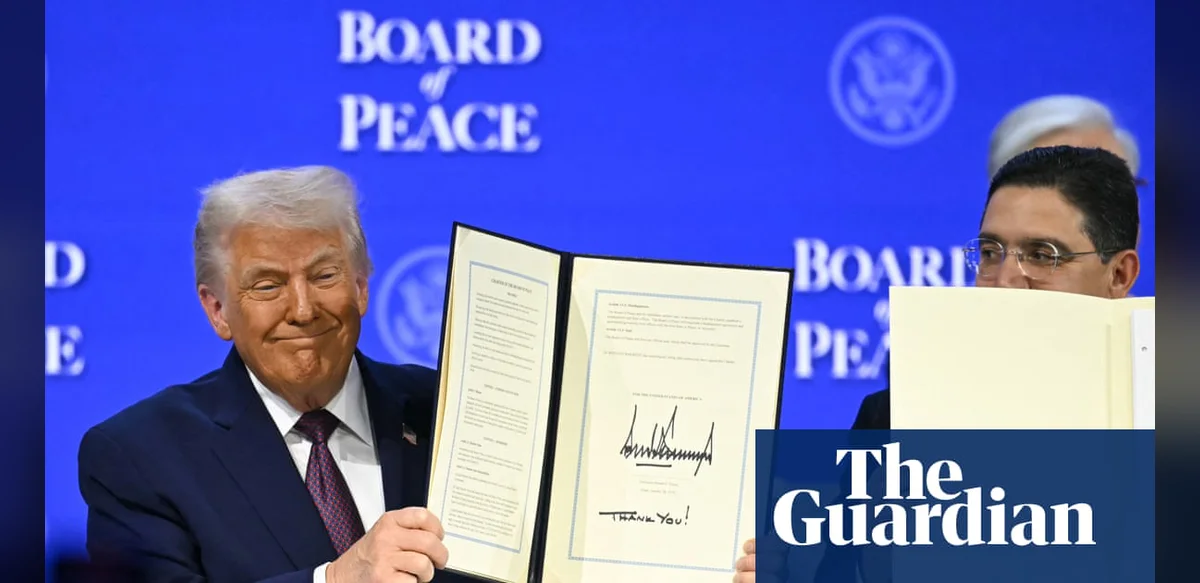
Relations between Washington and Rabat face renewed examination following a tragic event at the border of the small Spanish territory of Ceuta. Observers note that Morocco may feel more confident in its regional stance, prompting questions about the role of former United States policy decisions in shaping recent developments.
The incident involved a large movement of people attempting to enter Ceuta, resulting in several fatalities and widespread concern across Europe and North Africa. Spanish authorities reported challenges in managing the sudden influx, while Moroccan officials described the situation as a humanitarian issue requiring coordinated responses. The event has highlighted longstanding tensions over migration routes and border security in the region.
Analysts suggest that shifts in American foreign policy during the previous administration may have contributed to Morocco’s current posture. Diplomatic gestures and public statements from that period are now being revisited as possible factors influencing Rabat’s approach to territorial disputes and migration control. European partners have expressed interest in understanding how these dynamics played out.
Ceuta, a Spanish enclave on the African continent, has long served as a focal point for migration from sub-Saharan countries and beyond. Its unique geographic position creates complex challenges for both Spanish and Moroccan security forces. Recent years have seen periodic surges in attempts to cross the border, often leading to clashes and humanitarian concerns.
Officials in Madrid have called for greater cooperation with Rabat to prevent future tragedies. At the same time, questions persist about the extent to which external diplomatic signals may have altered the balance of incentives for Moroccan authorities. Some commentators argue that perceived support from Washington encouraged bolder actions by Morocco in its dealings with Spain.
The broader context includes ongoing debates over migration management in the Mediterranean and North Africa. International organizations have urged all parties to prioritize human rights and orderly processing of asylum claims. The Ceuta events have added urgency to these discussions, with calls for improved infrastructure and joint patrols.
Diplomatic sources indicate that current United States officials are reviewing past engagements with Morocco to assess their impact. This review comes amid efforts to strengthen ties with European allies on migration and security issues. Both Washington and Rabat maintain that their relationship remains important for regional stability.
Public reaction in Spain has included demands for accountability and clearer explanations of the factors leading to the deadly incident. Media coverage has focused on the human cost and the need for sustainable solutions. In Morocco, official statements emphasize the country’s role as a partner in controlling irregular migration flows.
Experts in international relations note that small changes in great-power diplomacy can have outsized effects on neighboring states. The Ceuta situation illustrates how signals from distant capitals may influence decisions made in Rabat. Future policy adjustments could aim to reduce such unintended consequences.
As investigations continue, attention remains on the interplay between migration pressures, territorial claims, and external influence. Stakeholders hope that clearer communication and renewed cooperation will help prevent similar tragedies. The episode serves as a reminder of the interconnected nature of modern diplomacy and border management challenges.


