

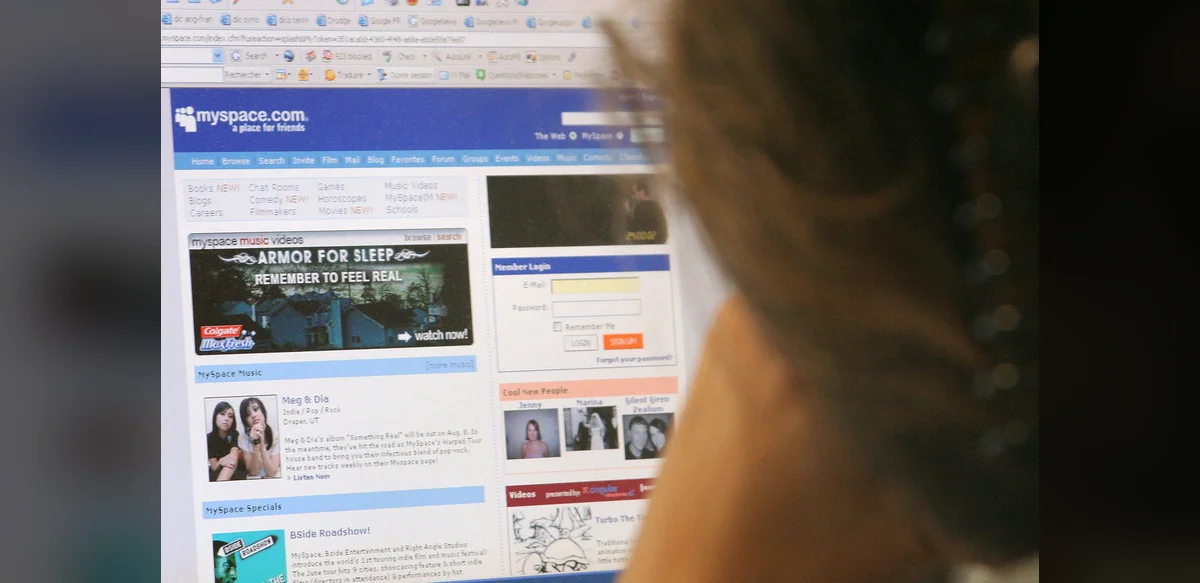
Speculation surrounding a possible revival of the once-dominant social networking platform MySpace has triggered widespread nostalgia among millennials who came of age during the early days of widespread internet use. The platform, which peaked in popularity in the mid-2000s before being overtaken by newer competitors, is reportedly exploring ways to reenter the market. This development has led many users to reflect on the distinctive features and sometimes chaotic experiences that defined online interaction at the time.
During its height, MySpace allowed individuals to customize their profiles extensively with music, graphics, and personal details. Users often spent hours adjusting layouts and selecting songs to play automatically when visitors arrived at their pages. The emphasis on self-expression through HTML code created a unique visual landscape that contrasted sharply with the more standardized interfaces common today.
Alongside MySpace, another service frequently mentioned in these discussions is the instant messaging application MSN Messenger. Its nudge feature, which shook the recipient’s screen to gain attention, has become a symbol of the playful yet intrusive nature of early digital communication. Many recall how repeated nudges could disrupt conversations or lead to lighthearted exchanges among friends.
The rumored return of MySpace coincides with a broader cultural interest in revisiting technologies from previous decades. Podcasts, documentaries, and online forums have increasingly examined the evolution of social media, highlighting both the freedoms and limitations of earlier platforms. Analysts note that such nostalgia often stems from a desire to reconnect with simpler times before algorithmic curation dominated user experiences.
Industry observers suggest that any modern iteration of MySpace would need to address current expectations around privacy, data security, and mobile compatibility. The original service struggled with these issues as it grew rapidly, contributing to its eventual decline. Potential new features might include improved moderation tools and integration with contemporary content formats.
Millennials who used these platforms during their formative years describe a mix of excitement and frustration. Profile customization offered creative outlets, yet the lack of robust safety measures sometimes exposed users to unwanted interactions. The transition to more streamlined services marked a shift toward convenience over personalization.
Public reaction to the news has appeared primarily on social media channels, where users share screenshots of old profiles and anecdotes about specific features. Discussions often center on the contrast between past and present online environments, with some expressing hope that revived platforms could recapture elements of that era while avoiding its pitfalls.
Experts in digital history emphasize that platforms like MySpace played a significant role in shaping how people connect and present themselves virtually. Their influence persists in the design choices of later applications, even as the original services faded from mainstream use. The current speculation serves as a reminder of how quickly technology landscapes can change.
While details about the rumored project remain limited, the conversation it has sparked illustrates the enduring impact of early social networking on a generation that witnessed its rise and transformation. As more information emerges, further reflections on those formative digital experiences are likely to continue.


