


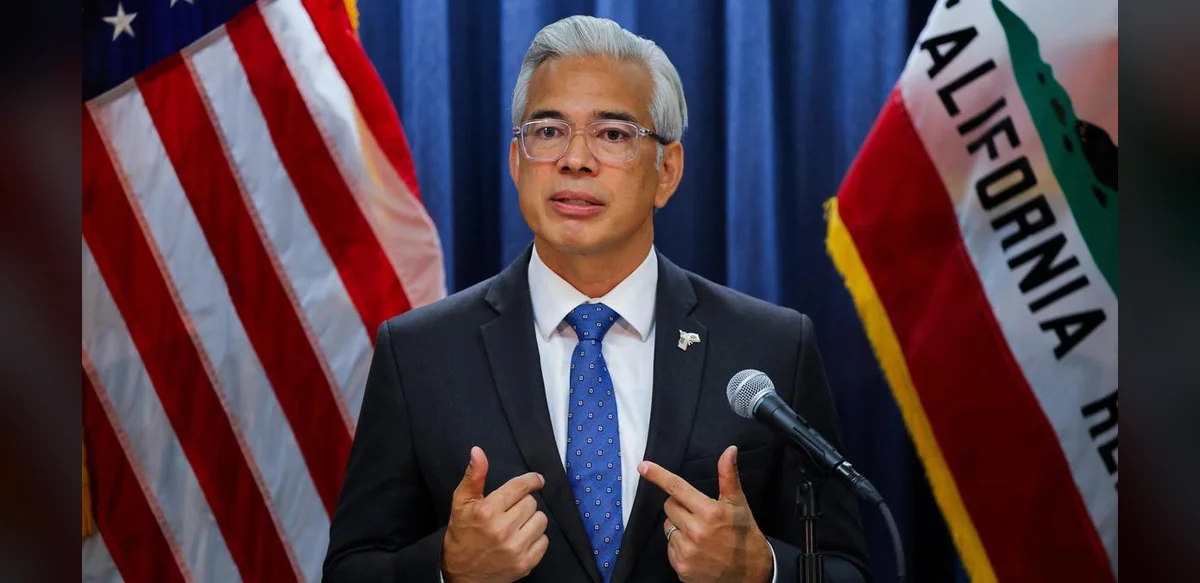
Reports indicate that Paramount has reached an agreement with multiple state authorities to resolve ongoing litigation concerning a proposed acquisition involving Warner. The arrangement aims to address concerns raised by regulators regarding market concentration in the entertainment sector. Sources familiar with the matter suggest the settlement avoids a prolonged court battle that could have delayed or altered the transaction.
The deal comes amid broader scrutiny of large-scale mergers in media and technology industries. State officials had previously expressed reservations about the potential impact on competition, consumer choice, and pricing within streaming and content production markets. By agreeing to terms, the companies appear to have satisfied key demands without admitting wrongdoing.
Critics of the transaction have voiced strong opposition. One commentator described the outcome as another instance where wealthy individuals influence regulatory processes to their advantage. The statement highlighted perceived patterns of using financial resources and legal pressure to advance corporate interests over public welfare.
Industry observers note that such settlements often include commitments to maintain certain operational standards or divest specific assets. Details of the exact provisions remain limited, though they are expected to focus on preserving competitive dynamics in affected regions. Legal experts anticipate that the resolution will allow the acquisition to proceed with modifications.
The entertainment landscape continues to evolve rapidly due to shifts in viewer habits and technological advancements. Companies frequently pursue consolidation to achieve economies of scale and expand content libraries. However, these moves regularly attract examination from both federal and state bodies tasked with enforcing competition laws.
Stakeholders in the sector are monitoring the situation closely. Employees, content creators, and distribution partners may experience changes once the transaction closes. Analysts suggest the settlement could set a precedent for future deals involving major players in film, television, and digital platforms.
Public reaction has been mixed, with some welcoming the avoidance of extended legal proceedings while others question whether the terms adequately protect market fairness. Advocacy groups continue to call for greater transparency in how such agreements are negotiated and enforced.
Overall, the resolution marks a significant development in ongoing efforts to balance corporate growth with regulatory oversight in the media field. Further updates are anticipated as additional information becomes available through official channels.


