

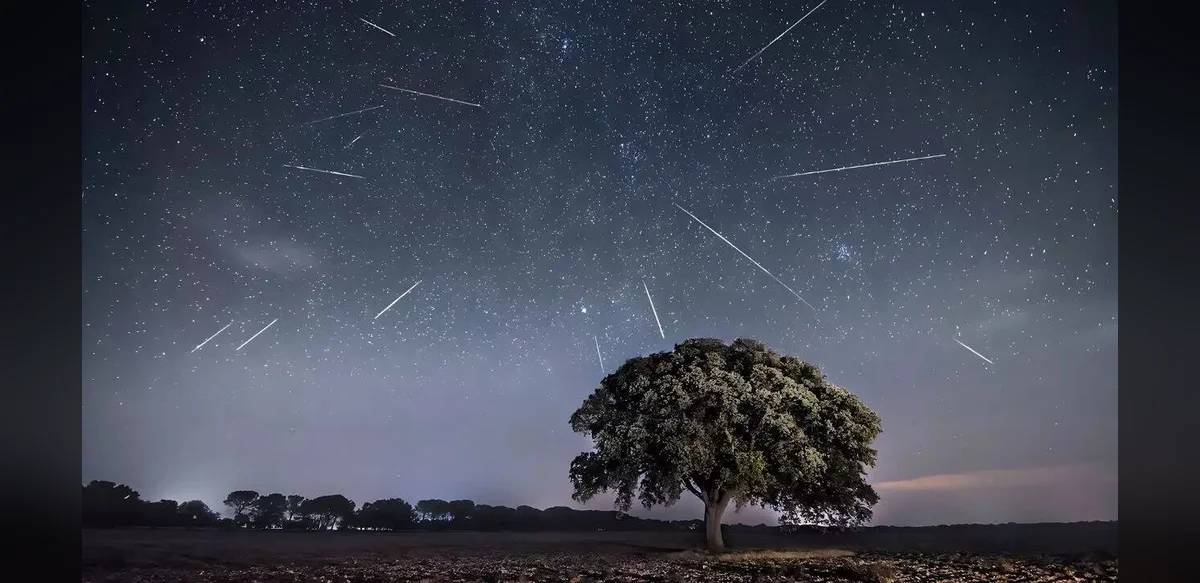
The Perseid meteor shower reaches its peak around August 12-13, 2026, offering strong viewing conditions due to minimal moonlight from a nearly new moon. This annual event produces fast, bright meteors and remains active from mid-July through late August. The maximum occurs during daylight hours in the United States, making the pre-dawn hours of August 13 the prime window for observers. The American Meteor Society notes activity continuing through August 24. Dark rural skies away from city lights provide the best results, with dozens of meteors visible per hour under ideal conditions. Recommended sites include Great Basin National Park in Nevada, Big Bend National Park in Texas, Death Valley National Park, Joshua Tree National Park in California, Cherry Springs State Park in Pennsylvania, and areas near Arches and Canyonlands in Utah, as well as Glacier and Yellowstone national parks. Viewers should face a wide section of the sky rather than focusing solely on the Perseus constellation, allow 20 to 30 minutes for eyes to adjust, and avoid phone screens. No equipment is required. The meteors result from debris of comet 109P/Swift-Tuttle entering the atmosphere at high speed. If weather interferes on peak nights, later dates still offer opportunities to observe.


