


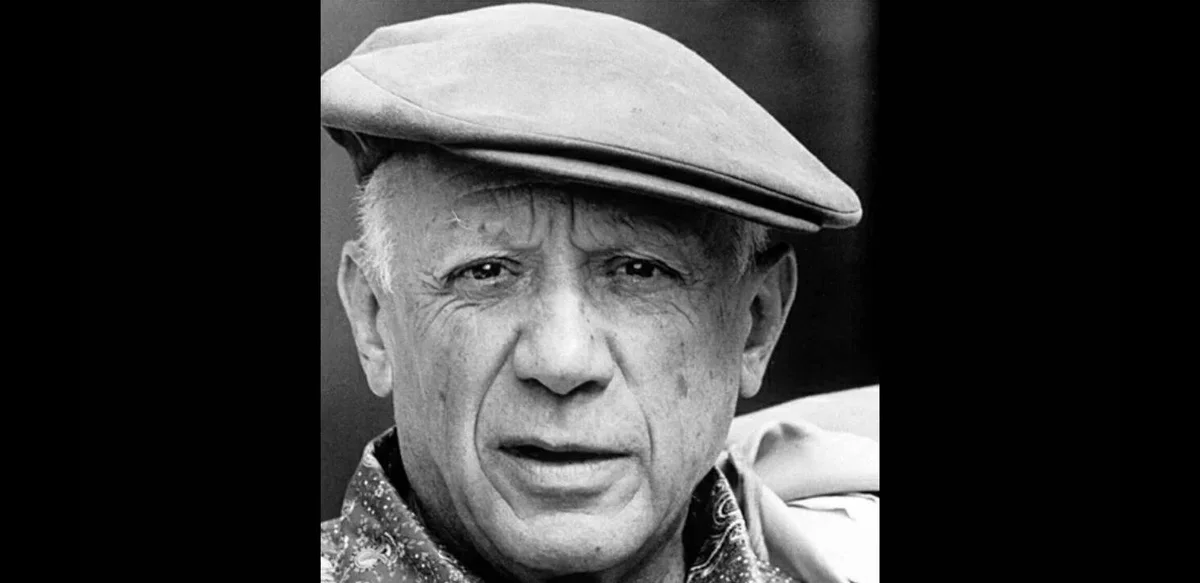
Pablo Picasso offered a memorable observation about the nature of artistic creation, describing it as a form of deception that ultimately discloses deeper realities. This perspective frames paintings not as direct copies of the visible world but as constructed arrangements that convey essential emotional and symbolic elements. By deliberately altering forms and perspectives, artists can communicate insights that straightforward representation might overlook.
In this view, the value of such work lies in its capacity to evoke genuine feelings and understandings rather than to replicate surface appearances. Contemporary artistic practices continue to operate along similar lines, using various media to express authentic sentiments even when the results diverge from literal accuracy. The approach allows creators to highlight aspects of human experience that might otherwise remain hidden.
A central point in this line of thinking concerns the boundary between artistic expression and other forms of influence. That boundary depends primarily on the purpose guiding the work and the standpoint from which it is received. When the aim centers on revealing underlying truths through imaginative means, the result aligns with artistic goals. When the purpose shifts toward concealment or distortion for personal advantage, the outcome moves into different territory.
The distinction becomes especially pertinent in an age dominated by digital imagery and rapid information exchange. Visual content circulates widely across platforms, often blending factual elements with interpretive layers. Viewers encounter images that have been adjusted, composed, or generated to emphasize particular qualities. Understanding the intent behind these adjustments helps clarify whether they function as artistic statements or as attempts to mislead.
Historical context shows that Picasso developed his ideas during periods of significant artistic experimentation. His statements reflected ongoing debates about realism, abstraction, and the role of the artist in society. These discussions emphasized that effective art frequently requires selective emphasis or rearrangement to communicate meaning effectively.
Applying the same principle today involves recognizing how digital tools enable new forms of visual storytelling. Software allows precise control over color, composition, and detail, creating works that prioritize emotional resonance over photographic fidelity. Such techniques echo earlier artistic strategies while adapting them to current technologies.
Public engagement with art in digital spaces also raises questions about interpretation. Audiences may encounter works removed from their original settings, accompanied by varying explanations or contexts. Maintaining awareness of the creator’s purpose supports more accurate readings of the intended message.
Ultimately, the observation attributed to Picasso encourages ongoing reflection on how visual media shapes perception. It suggests that the most revealing images often involve a degree of invention, provided that invention serves to illuminate rather than obscure. This principle remains useful for evaluating both traditional artworks and the expanding range of digital creations encountered in daily life.
Discussions of artistic intent continue to inform educational programs and critical writing. They provide frameworks for analyzing how images function across different cultural and technological environments. By focusing on purpose and viewpoint, observers can better distinguish constructive artistic approaches from less constructive ones.
The enduring interest in these ideas stems from their applicability beyond any single medium or historical moment. Whether considering paintings from earlier decades or current digital compositions, the core question involves the relationship between appearance and underlying significance. Picasso’s formulation offers one lens for examining that relationship in a consistent manner.


