

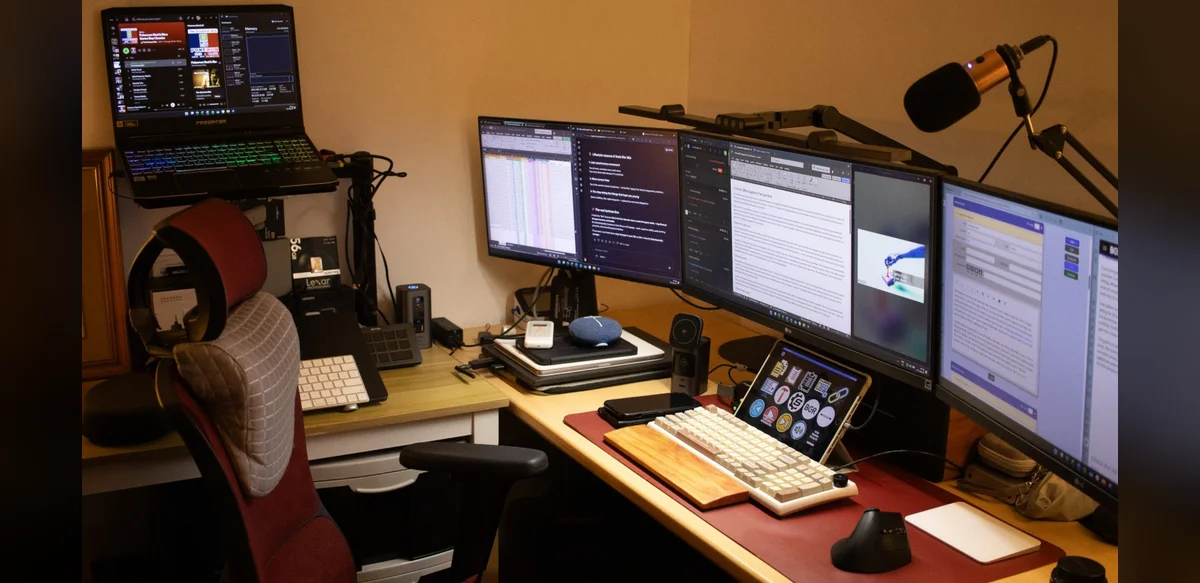
In the current landscape of remote professional activities, creating a suitable home workspace stands as an essential step toward achieving sustained comfort alongside elevated productivity levels. The integration of sound ergonomic practices with thoughtfully chosen accessories can convert an ordinary area into a highly functional setting that supports extended work periods without unnecessary strain.
Proper seating arrangements form the cornerstone of any effective setup. Chairs designed with adjustable height and lumbar support enable individuals to maintain natural spinal alignment throughout the day. This approach minimizes risks associated with prolonged sitting, such as discomfort in the lower back or shoulders, allowing for consistent performance over time.
Desks that accommodate varying positions further enhance usability. Models permitting both seated and standing configurations promote movement and circulation, which contributes to overall physical well-being during demanding schedules. Pairing these with monitor arms ensures screens remain at eye level, reducing neck tension and supporting clearer visual focus.
Lighting solutions play a significant role in workspace optimization. Combining ambient room illumination with targeted task lights helps prevent visual fatigue while fostering an environment conducive to concentration. Where feasible, positioning near windows maximizes daylight benefits without introducing glare on digital displays.
Organizational accessories streamline daily operations. Cable organizers, document holders, and under-desk storage units reduce clutter and facilitate quick access to essential items. Such measures support a smoother workflow by keeping necessary tools within easy reach.
Additional elements like keyboard trays and mouse pads with wrist support address repetitive motion concerns. These additions align with ergonomic goals by promoting neutral hand positions during typing and navigation tasks. Footrests offer further customization for leg positioning, enhancing stability for users of different statures.
Noise management tools, including subtle sound-absorbing panels or personal audio devices, help maintain attention amid household distractions. Ventilation considerations, such as strategic fan placement or air purifiers, contribute to a fresher atmosphere that sustains mental clarity.
Storage solutions tailored to individual needs prevent workspace overcrowding. Shelving units and filing systems keep reference materials orderly, allowing professionals to transition efficiently between projects. Personal touches through neutral decor elements can create a balanced ambiance without overwhelming the primary functional purpose.
Regular assessment of the overall arrangement ensures ongoing suitability as work requirements evolve. Small iterative changes based on daily experiences often yield the most practical improvements. This methodical attention to detail underscores how ergonomics combined with supportive accessories establishes a reliable foundation for productive home-based endeavors.
Continued attention to these principles supports long-term health and efficiency. By focusing on adaptable furniture and purposeful additions, individuals can cultivate environments that adapt to varying demands while prioritizing ease and output consistency.


