

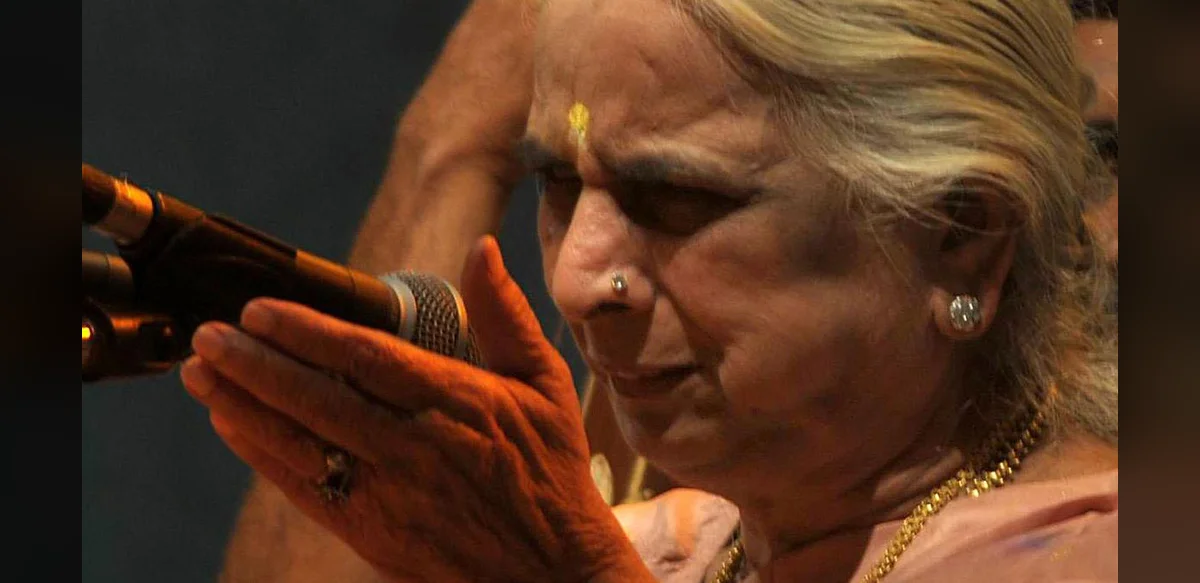
A recent musical gathering brought together practitioners and experts to examine the nuances of Purab Anga Gayaki, focusing particularly on the diverse expressions of Kajri songs and the ongoing efforts to maintain their distinct character.
The event took place in a setting designed for close interaction between performers and attendees. Discussions centered on how Kajri, a seasonal folk form, integrates into the broader framework of this vocal style while retaining unique regional traits. Participants noted that multiple variations exist across different areas, each shaped by local influences and performance practices.
Scholars highlighted the importance of documenting these variations accurately. They pointed out that without careful attention, the specific identity of Purab Anga Gayaki could become diluted amid wider trends in classical music presentation. Examples were shared of how certain melodic patterns and rhythmic structures have evolved yet still carry recognizable markers of their origin.
Musicians demonstrated several Kajri renditions during the session, illustrating differences in tempo, ornamentation, and lyrical content. These live examples helped clarify how the form adapts to different contexts while preserving core elements that define its individuality.
Attendees raised questions about transmission methods to younger generations. Traditional teaching approaches were contrasted with modern adaptations, with emphasis placed on balancing accessibility and authenticity. Concerns were voiced regarding the impact of commercial recordings and stage performances on the intimate, nuanced delivery typical of this style.
The conversation also touched on the role of language and dialect in maintaining the form’s character. Kajri lyrics often draw from specific linguistic traditions, and shifts in pronunciation or vocabulary can alter the overall expression. Experts suggested collaborative projects between musicians and linguists to safeguard these aspects.
Preservation challenges were framed not only as artistic concerns but also as cultural responsibilities. Participants agreed that community involvement and institutional support could help sustain the tradition. Proposals included archival initiatives and educational workshops aimed at both practitioners and general audiences.
The gathering concluded with a collective reflection on the future trajectory of Purab Anga Gayaki. While optimism was expressed about continued interest, there was consensus that deliberate steps are needed to protect its distinctive features from homogenization.
Overall, the session underscored the delicate balance between evolution and preservation in this vocal tradition. By examining Kajri in detail, attendees gained clearer insight into the mechanisms that allow such forms to endure while staying true to their roots. Similar events may contribute to broader awareness and appreciation of these musical practices in coming years.


