

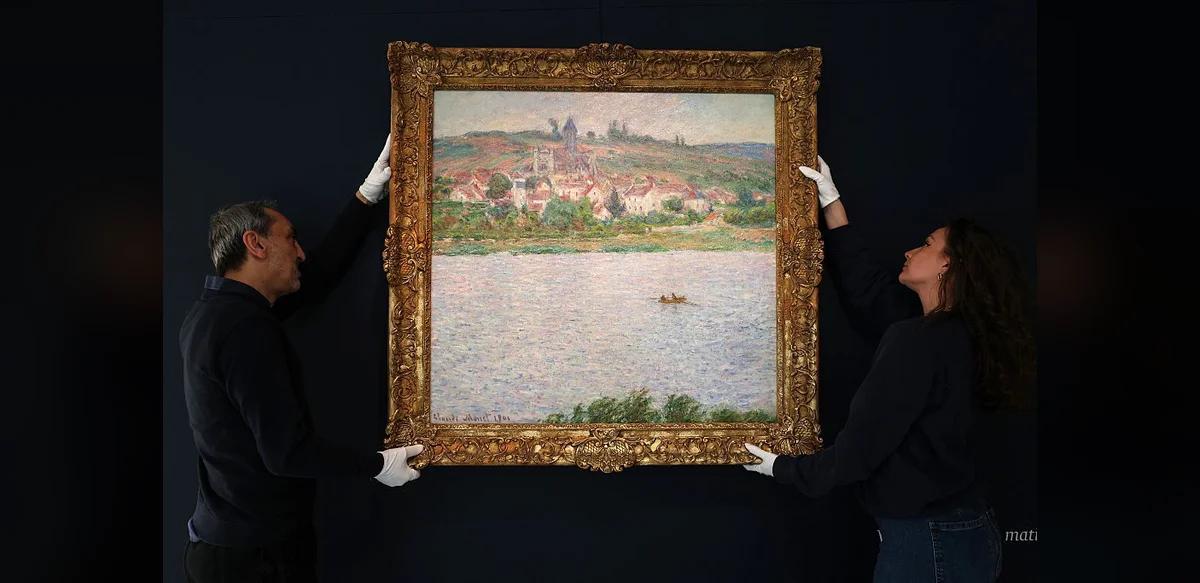
The ongoing transfer of wealth across generations is bringing unprecedented volumes of art and collectibles into new ownership. Museums, private collectors and institutions are preparing for the logistical and protective challenges that accompany this movement of cultural objects on a historic scale.
Specialists note that items ranging from paintings and sculptures to rare manuscripts and decorative arts are changing hands at rates not seen before. The process requires careful coordination between families, advisors, insurers and conservators to ensure that each piece retains its condition and provenance.
Insurance providers have expanded their offerings to address risks specific to high-value transfers. Policies now commonly include coverage for transit damage, climate fluctuations during storage transitions and authentication disputes that may arise when objects move between collections.
Experts emphasize the importance of detailed documentation before any relocation begins. High-resolution imaging, condition reports and updated appraisals help establish clear baselines that protect both sellers and buyers throughout the exchange.
Cultural institutions are also adjusting acquisition strategies. Many are prioritizing works that have strong historical context and clear ownership records, recognizing that future donations will form a significant part of their growth.
Private collectors are increasingly turning to specialized advisors who can guide them through tax implications, conservation needs and long-term stewardship responsibilities. These professionals help ensure that newly acquired pieces are integrated responsibly into existing holdings.
The scale of the current transfer has prompted discussions about public access. Some families are exploring options such as long-term loans to museums or the creation of private foundations that allow controlled viewing while retaining ownership.
Conservation laboratories report heightened demand for pre-transfer assessments. Techniques such as infrared reflectography and pigment analysis are used to verify authenticity and detect any prior restorations that could affect value or stability.
Digital tools are playing a growing role in tracking objects during movement. Secure databases and blockchain-based registries allow stakeholders to monitor location and condition in real time, reducing the chance of loss or misplacement.
Regulatory bodies in several countries have updated guidelines around export licenses and cultural property declarations. These changes aim to prevent illicit trade while facilitating legitimate transfers that support scholarly research and public appreciation.
The insurance sector continues to refine risk models specific to art and collectibles. Actuaries are incorporating data on climate events, geopolitical tensions and market volatility to set premiums that reflect current realities.
Educational programs focused on art stewardship are seeing increased enrollment. Universities and professional organizations are offering courses that combine traditional connoisseurship with modern practices in risk management and digital preservation.
Ultimately, the success of this generational shift will depend on collaboration across disciplines. When owners, insurers, conservators and cultural institutions work together, the artistic legacy of previous eras can be maintained for future generations.


