


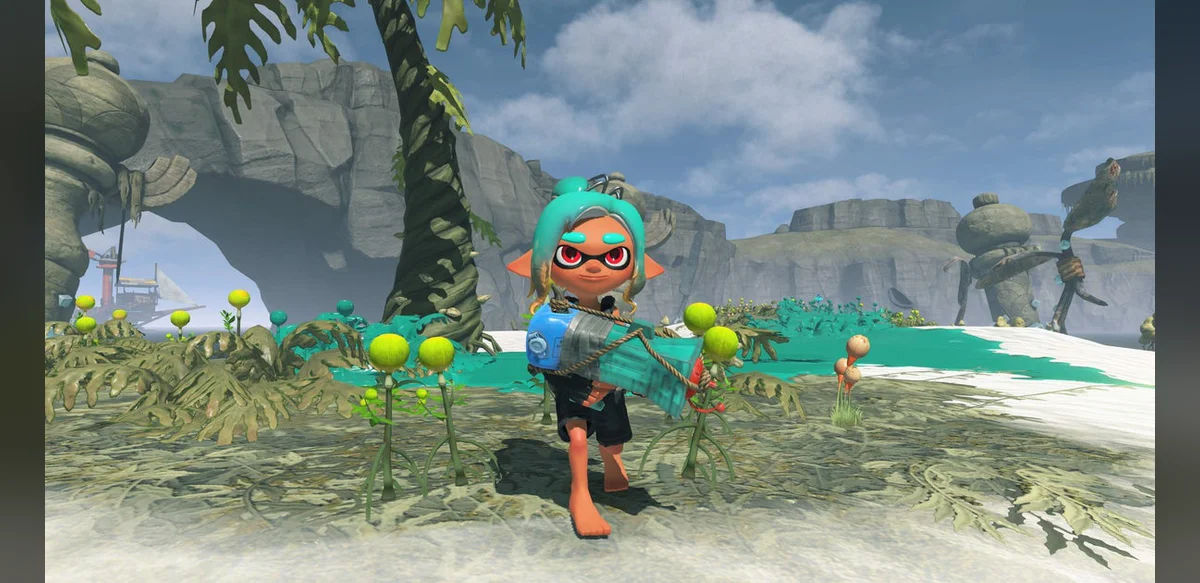
Recent statements from four Nintendo developers have shed light on the early development stages of Splatoon Raiders. According to their accounts the project began with concepts resembling a base defense game. Over time these ideas shifted toward a quicker paced experience that emphasizes action.
The team clarified that the title functions as a distinct spin-off rather than a direct continuation in the main series. This distinction helps position it separately from any potential fourth main installment. Developers noted the transition allowed for greater focus on movement and immediate engagement during play sessions.
Background on the Splatoon franchise shows it has grown through multiple entries that blend colorful visuals with team based competition. Spin-offs provide opportunities to explore alternative mechanics while maintaining core elements such as ink based gameplay. The developers stressed that Splatoon Raiders was designed to stand on its own merits.
Early prototypes reportedly prioritized defensive structures and strategic placement. Feedback and internal testing prompted adjustments that increased speed and reduced emphasis on static setups. The result is a title described as carrying a strong sense of action throughout its levels and modes.
Industry observers often note how Nintendo experiments with established properties through smaller scale projects. Such efforts can test new directions without altering the primary series trajectory. In this case the evolution from defense oriented roots to fluid action aligns with broader trends in accessible multiplayer experiences.
The developers expressed satisfaction with the final direction. They highlighted how the changes preserved the playful spirit associated with the franchise while introducing fresh dynamics. Players can expect distinct challenges that differ from standard entries.
Further details on release timing or specific features remain limited at this stage. The focus of the recent comments centered on the conceptual journey rather than promotional aspects. This approach offers insight into creative processes at the company.
Overall the revelations illustrate how game ideas adapt during production. What started as one style transformed into another to better suit intended pacing and player interaction. Splatoon Raiders thus emerges as an independent venture within the wider ecosystem of Nintendo titles.
Additional context from similar past projects shows Nintendo frequently iterates on mechanics to refine enjoyment. The described shift in Splatoon Raiders follows this pattern of refinement based on practical testing. Such transparency from the team provides valuable perspective for enthusiasts interested in development histories.
The statements underscore the deliberate choice to avoid positioning the game as a numbered sequel. This decision supports variety across the lineup and encourages exploration of different play styles. Fans of the series may appreciate the variety offered by this approach.
In summary the account from the four developers paints a picture of iterative design leading to an action focused spin-off. The original base defense inspiration gave way to faster elements that define the current vision. This narrative adds depth to understanding the project’s path from concept to realization.

