


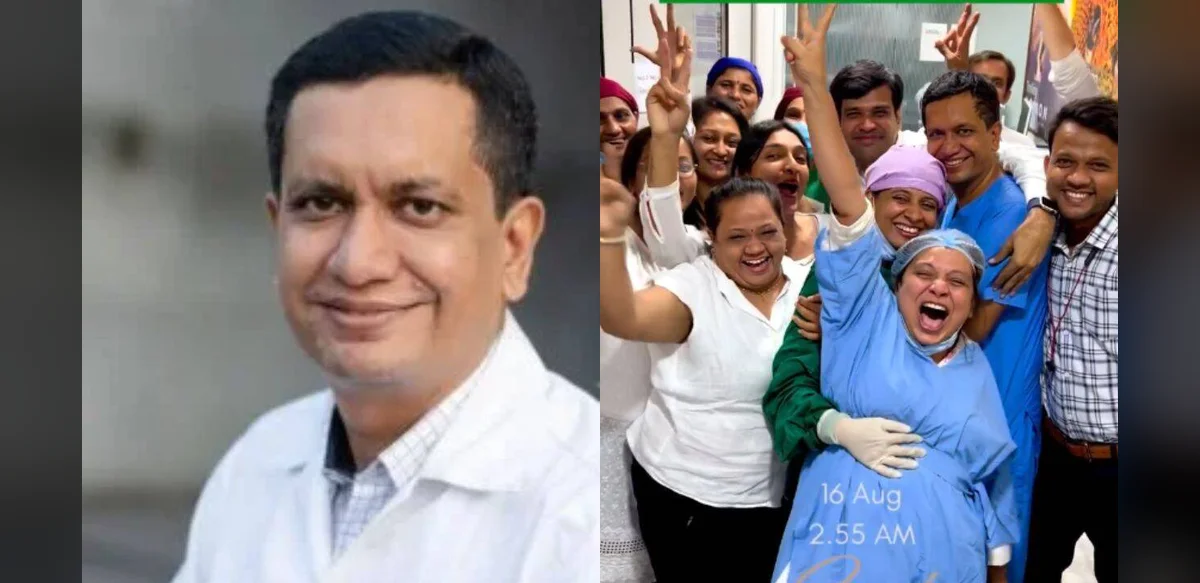
A physician based in Surat has developed an outreach program aimed at providing essential eye care to residents in remote villages throughout Gujarat. This initiative includes regular screenings to detect vision problems early, surgical procedures performed at no cost to patients, and support services to help those with impaired sight regain independence where possible. The effort targets areas where access to specialized medical facilities remains limited, helping to reduce cases of blindness that could otherwise be prevented through timely intervention.
The program operates through a series of monthly camps, with approximately forty such events held regularly to reach scattered communities. During these gatherings, basic examinations are conducted on site, and individuals requiring further treatment are referred to appropriate centers for operations. Over time, the cumulative impact has included around thirty thousand surgeries completed without charge, demonstrating the scale of the response to local needs.
Community members play an active role by helping to coordinate the camps and assisting patients with transportation and follow up care. This involvement highlights how local participation can strengthen the delivery of health services in regions facing logistical challenges. Volunteers ensure that information about available screenings spreads effectively, encouraging more people to participate and benefit from the available resources.
By focusing on underserved locations, the initiative addresses barriers such as distance and cost that often prevent rural populations from seeking eye care. Improved access leads to better overall health results and lowers the incidence of avoidable vision loss. Rehabilitation components further support patients after procedures, offering guidance on daily activities and adaptation strategies.
The approach underscores the value of bringing medical expertise directly to villages rather than expecting residents to travel long distances. Routine checks allow for early identification of conditions like cataracts or refractive errors, while surgical options restore sight in many cases. Such comprehensive coverage combines prevention, treatment, and recovery support in a single framework tailored to regional circumstances.
Ongoing camps continue to serve as key points for engagement, with each event building on previous ones to expand reach. The emphasis remains on sustainable delivery of services that fit within the daily lives of village residents. This model illustrates how targeted programs can contribute to broader improvements in public health metrics related to vision.
Details from the initiative show consistent organization of forty camps per month alongside the substantial number of free surgeries performed to date. These figures reflect steady commitment to maintaining presence in multiple locations across Gujarat. The combination of screenings and interventions forms the core of efforts to minimize preventable blindness through accessible means.
Volunteers assist not only in logistics but also in educating communities about the importance of regular eye checks. Their guidance helps patients navigate the process from initial screening to any necessary procedures and subsequent care. This collaborative element reinforces the program’s foundation in addressing real world accessibility concerns faced by rural populations.
Overall, the work represents a focused response to health disparities in eye care, with measurable outcomes in terms of surgeries and camp frequency. Continued operation of these services aims to sustain gains in reducing vision impairment across the targeted villages.

