


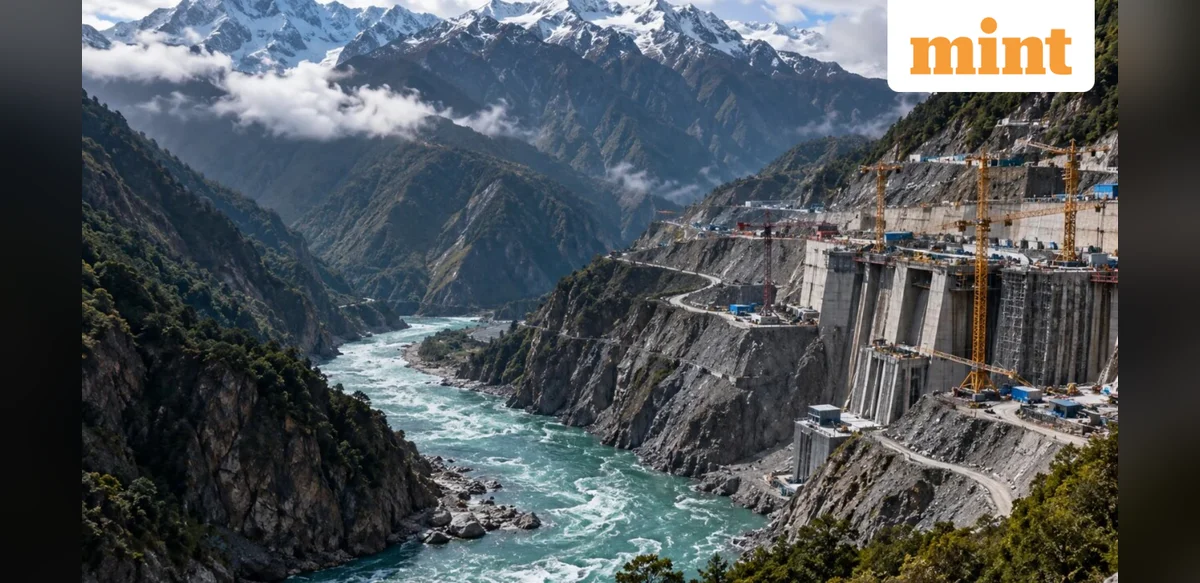
Recent analysis by scientists in China points to growing volumes of water flow originating from the Tibetan plateau along the Yarlung Tsangpo river system. This waterway continues downstream into neighboring territories where it is known by another name. The increased runoff is projected to elevate the likelihood of flooding events throughout the remainder of the current century.
The observations come at a time when plans are advancing for a substantial hydroelectric installation valued at approximately 168 billion dollars. Such a facility would represent one of the largest infrastructure undertakings in the region. Officials and observers have noted that the combination of natural hydrological changes and major engineering works could compound challenges for areas located further along the river course.
Experts emphasize that variations in precipitation patterns and glacial melt contribute to the higher discharge rates observed in recent data. These trends are expected to persist and possibly intensify based on climate modeling. Downstream communities may face greater exposure to seasonal overflows as a result.
The proposed hydropower scheme involves extensive construction along the upper reaches of the river. Its scale has drawn attention from multiple stakeholders concerned with water management and environmental stability. While the project aims to generate significant electricity capacity, the accompanying warnings about runoff underscore the need for careful assessment of long-term effects.
Monitoring efforts continue to track water levels and flow dynamics in the affected basin. Data collected over time will help refine predictions regarding flood frequency and intensity. Collaboration among research institutions remains essential for understanding the full scope of these developments.
Authorities in the region have been advised to review existing flood preparedness measures in light of the new findings. Enhanced early warning systems and infrastructure reinforcements could mitigate potential impacts. The situation illustrates the interconnected nature of river systems that cross national boundaries.
Further studies are anticipated to provide additional clarity on how runoff changes interact with large-scale dam operations. Such research will inform decisions about sustainable resource use and risk reduction strategies. The focus remains on balancing energy needs with the protection of vulnerable populations and ecosystems.
Overall the developments highlight ongoing shifts in hydrological conditions within high-altitude river sources. These changes carry implications that extend beyond immediate project sites. Continued observation and dialogue will be important for addressing shared concerns effectively.

