

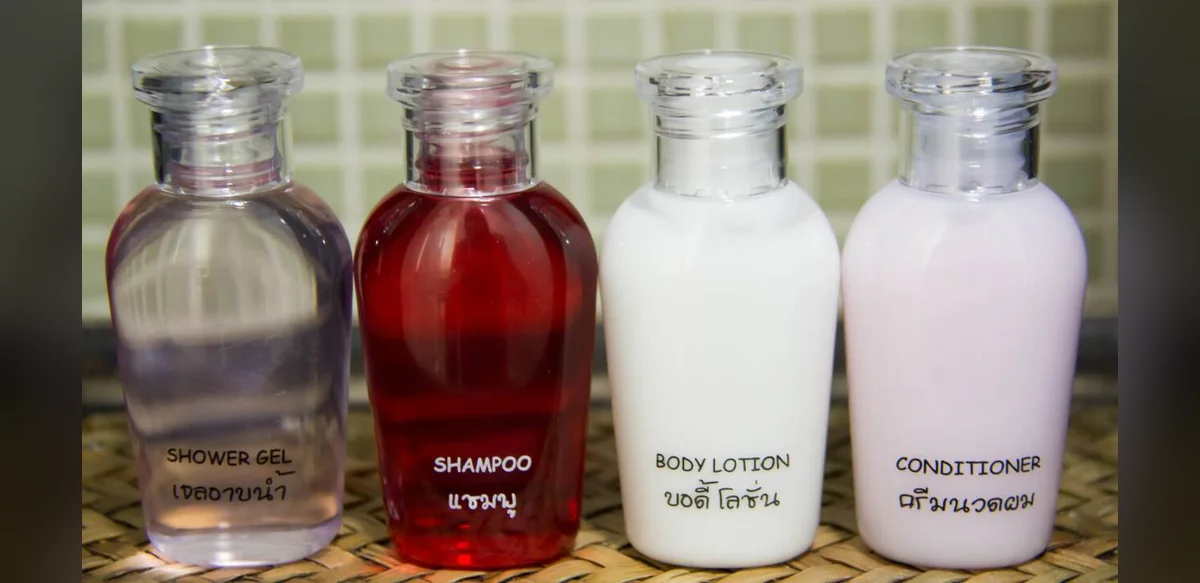
Hotel guests often notice that bathroom products such as shampoo, soap, and lotion come in unusually small containers. This practice stems from a combination of practical considerations, financial aspects, packaging choices, and evolving approaches to amenity management within the hospitality sector.
Practicality plays a central role. Travelers frequently move between locations and prefer items that fit easily into luggage without adding bulk or weight. Standard-sized bottles would require more space and could lead to spills during transit. By offering compact versions, establishments allow visitors to use what they need during their stay and decide whether to take the remainder or leave it behind.
Cost considerations also influence decisions. Purchasing and distributing smaller units reduces overall expenses for properties that serve large numbers of guests daily. Bulk procurement of miniature containers can be more economical than providing full-sized alternatives that might go unused or require additional storage facilities. This approach helps maintain consistent service levels while controlling operational budgets.
Packaging requirements add another layer. Small bottles are designed for single or limited use, which minimizes waste from partially consumed larger products. They also comply with hygiene standards by ensuring each guest receives a sealed item. Materials used in these containers are often chosen for durability during transport and ease of disposal or recycling after use.
The way hotels handle bathroom supplies has shifted over time. Many properties now explore alternatives such as wall-mounted dispensers that can be refilled from larger sources. This change reduces the volume of individual plastic bottles while still meeting guest expectations for convenience. Such systems require careful monitoring to maintain cleanliness and product quality.
Industry observers note that these small containers balance guest satisfaction with resource management. Properties aim to provide essential items without excess, aligning with broader efforts to streamline services. Variations exist depending on the type of accommodation, with luxury venues sometimes offering slightly larger options or premium formulations.
Regulatory influences in certain regions have prompted further adjustments. Guidelines on single-use plastics encourage exploration of sustainable packaging or reusable systems. Hotels adapt by selecting compliant products that still deliver the expected experience.
Overall, the size of these toiletries reflects a deliberate strategy shaped by multiple operational realities rather than arbitrary choice. Guests benefit from portability and freshness, while establishments manage expenses and logistics effectively. As preferences and standards continue to develop, the format of such amenities may see additional refinements in the future.


