


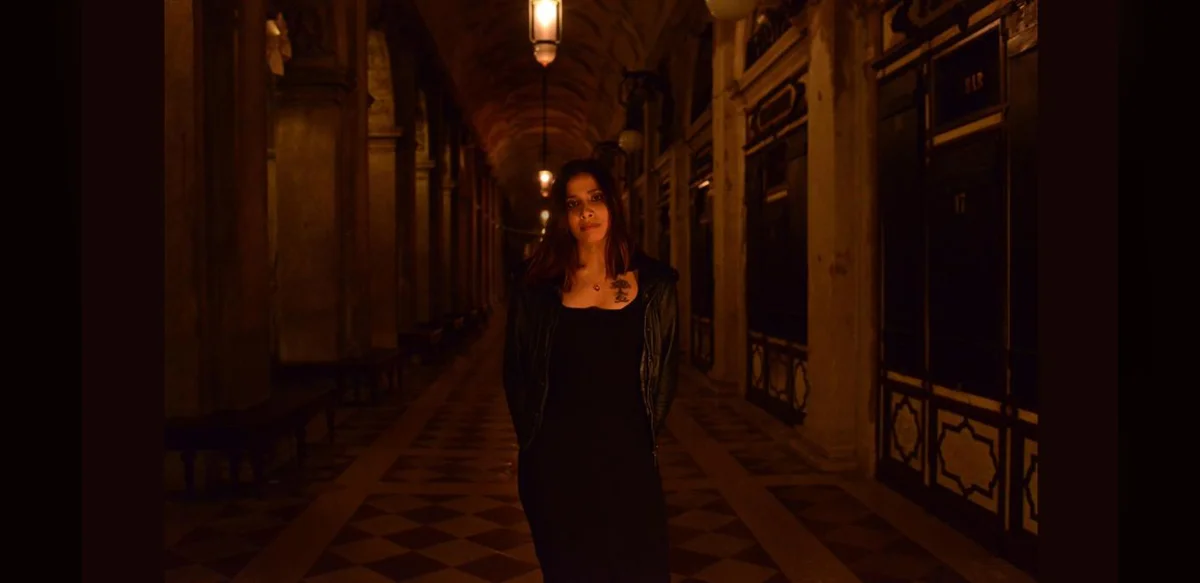
The Venice Film Festival has once again highlighted emerging voices from around the globe with its latest recognitions. An Indian filmmaker received the Orizzonti Best Director award in 2025 for a project that explores themes of departure and creativity. This achievement was followed by the NETPAC Award for Best Asian Film in 2026, underscoring the work’s resonance within broader Asian cinema circles.
The film titled Lovers in the Blue Night centers on narratives of personal liberation rendered through visual storytelling. It examines how individuals navigate constraints and find expression in unexpected forms. The director’s approach emphasizes inclusive representation, bringing attention to characters and perspectives that have historically received limited focus in mainstream Indian productions.
Venice serves as a prominent platform for such explorations. The festival’s sections dedicated to innovative cinema provide space for directors to present works that challenge conventional boundaries. In this case, the recognition points to a shift in how stories from diverse backgrounds are received internationally.
Observers note that the project contributes to ongoing conversations about visibility in the industry. By focusing on escape as both a literal and metaphorical element, the narrative invites viewers to consider alternative viewpoints. The awards affirm the technical and artistic merits while also signaling interest in expanded storytelling methods.
The journey to these honors involved careful development of the script and visual style. The director drew from personal observations to craft scenes that blend realism with symbolic imagery. This combination has been praised for its ability to engage audiences across cultural lines.
Indian cinema has seen gradual changes in recent years with more filmmakers addressing underrepresented experiences. The current recognition adds to this trend by demonstrating that such works can achieve success at major events. It highlights the potential for stories rooted in specific contexts to find universal appeal.
The NETPAC award specifically celebrates Asian films that offer fresh insights. Recipients often address social dynamics or personal journeys in ways that resonate regionally and beyond. Here, the emphasis on artistic transformation through escape aligns with that mission.
Festival attendees and critics have discussed the film’s pacing and aesthetic choices. The blue night motif serves as a recurring visual thread that ties together moments of reflection and movement. Such elements contribute to an immersive experience that lingers after viewing.
Looking ahead, the director’s work may influence upcoming projects in similar veins. It encourages continued exploration of themes like identity and freedom within cinematic frameworks. The dual awards provide a foundation for further opportunities in both domestic and international markets.
Overall, the event marks a notable point in the evolution of film selections at Venice. It reflects a commitment to diverse voices and innovative narratives that push the medium forward. The focus remains on the art of storytelling and its capacity to reflect changing societal landscapes.
Additional coverage from the festival included panels on global cinema trends where similar themes were examined. Participants shared insights on how awards like these can open doors for new talent. The emphasis was on collaboration and the sharing of techniques across borders.
The production process for the film involved collaboration with a range of artists and technicians. This teamwork helped realize the vision of turning personal escape into a collective artistic statement. Details from behind the scenes reveal attention to lighting and composition that enhance the thematic depth.
In summary, the recognitions at Venice underscore the growing influence of Indian filmmakers on the world stage. The project stands as an example of how cinema can address complex ideas through accessible yet profound means. Future works may build on this momentum to further diversify the stories told on screen.


