

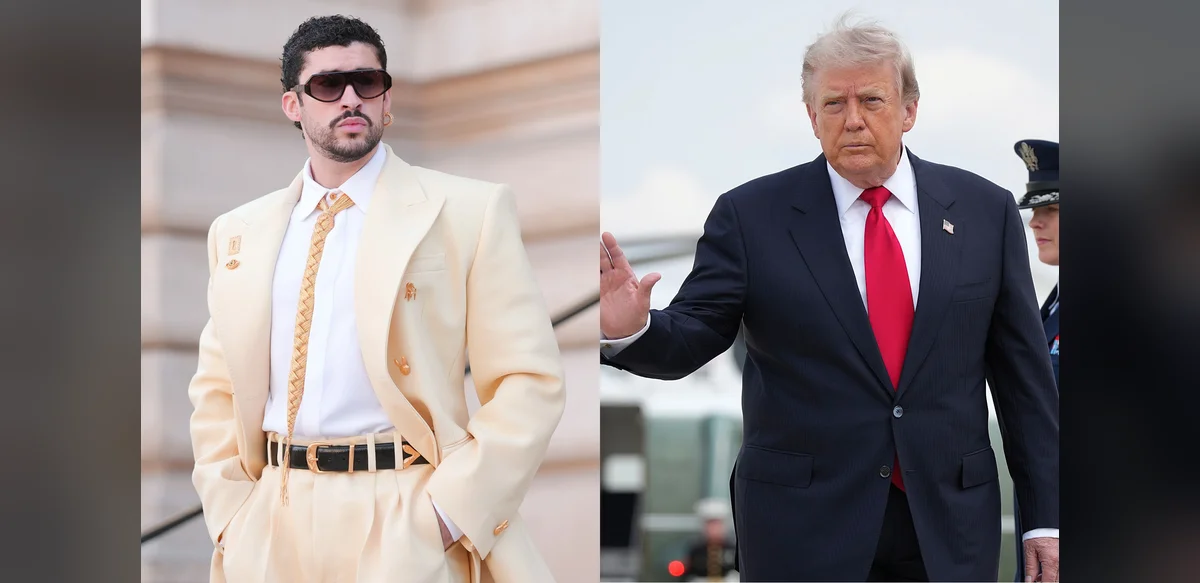
The White House has drawn criticism after incorporating a track by the performer Bad Bunny into promotional material for Immigration and Customs Enforcement operations. Reports indicate that the song appeared in videos intended to highlight deportation efforts, prompting immediate public and media attention.
Observers noted that the choice of music seemed at odds with the serious nature of the content. The track, known for its upbeat rhythm and cultural popularity, was used without apparent consultation with the artist or rights holders in some accounts. This led to questions about approval processes within government communications.
Reactions spread quickly across social platforms, where users expressed surprise and disapproval. Some argued that popular music should remain separate from official enforcement messaging, while others focused on the lack of alignment between the song’s themes and the video’s purpose. The discussion highlighted broader conversations about how government agencies select and deploy cultural elements in their outreach.
Officials have not issued a detailed statement clarifying the decision-making behind the video production. In the absence of further explanation, speculation continues regarding internal review standards for media assets. The incident underscores the challenges agencies face when blending contemporary entertainment with policy communication.
Media outlets have covered the story extensively, emphasizing the contrast between the song’s festive tone and the gravity of immigration enforcement. Analysts suggest that such mismatches can amplify public scrutiny, particularly when high-profile artists are involved. The episode may prompt future guidelines on music licensing and thematic consistency in official productions.
Public discourse has also touched on the role of music in shaping perceptions of government actions. While some view the inclusion as a simple oversight, others see it as indicative of larger disconnects between cultural production and administrative functions. The story continues to evolve as additional details emerge from various sources.
In summary, the use of the Bad Bunny track in the ICE video has generated significant attention and debate. The White House response remains limited, leaving room for ongoing commentary on the intersection of popular culture and federal communications. This case illustrates how even brief promotional choices can trigger widespread examination of institutional practices.


