

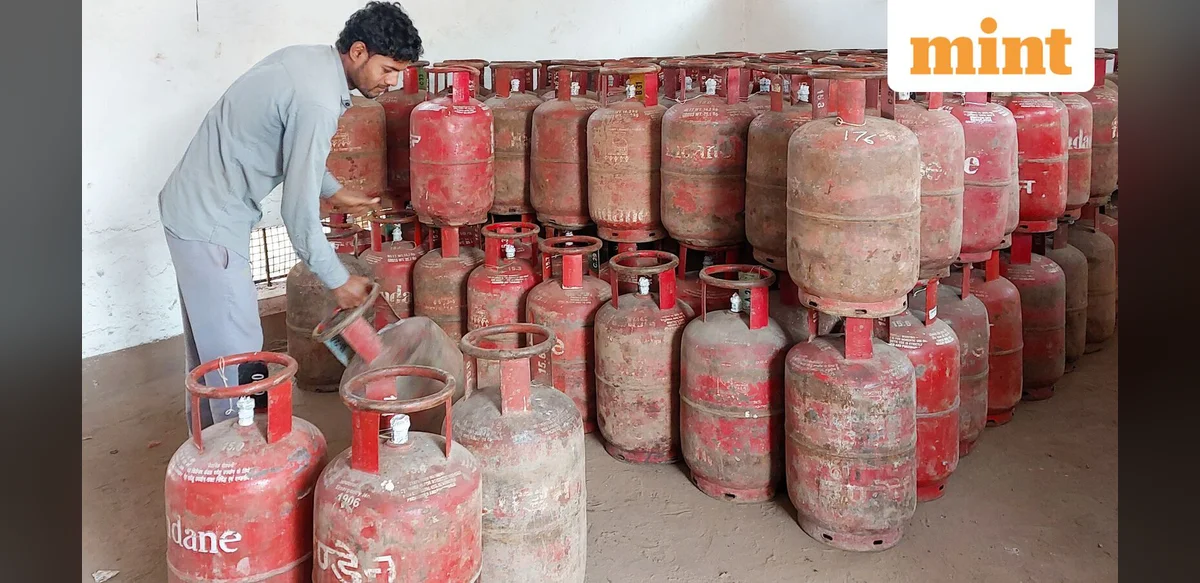
Recent data indicates that Algeria has positioned itself as the third most significant provider of liquefied petroleum gas to India during the month of August, coinciding with notable reductions in overall deliveries. Supplies of this essential fuel dropped substantially compared to the same period in the previous year, falling from 1.91 million tonnes to nearly half that volume, based on tracking information from industry analysts at Kpler. This shift highlights ongoing challenges in global energy distribution networks and their effects on major importing nations like India.
The decline in LPG volumes has prompted closer examination of alternative sourcing strategies by Indian importers seeking to maintain steady availability for domestic consumption. Algeria’s increased role in this context reflects adjustments in trade patterns driven by availability constraints elsewhere. Observers note that such fluctuations can influence pricing dynamics and supply reliability across sectors reliant on this commodity, including household cooking fuel and industrial applications.
India’s energy import framework continues to adapt to these variations, with officials monitoring monthly trends to ensure adequate reserves. The reported halving of supplies underscores the importance of diversified partnerships in maintaining energy security. While specific volumes from Algeria were not detailed beyond its ranking, the overall reduction points to broader market pressures affecting multiple suppliers.
Industry participants are evaluating long-term implications for procurement policies, emphasizing the need for resilient supply chains. This development occurs against a backdrop of fluctuating international energy markets, where geopolitical and logistical factors often play a role in determining export capabilities. For consumers and businesses in India, stable access to LPG remains a priority, and authorities are likely to pursue measures that mitigate risks associated with concentrated or reduced inflows.
Further analysis of trade statistics may reveal additional insights into how rankings among supplier countries evolve over time. The current situation serves as a reminder of the interconnected nature of global commodity flows and the necessity for proactive management in import-dependent economies. Continued vigilance and strategic planning will be essential to navigate similar occurrences in the future, supporting consistent economic activity and public welfare.
In summary, the August figures illustrate a notable realignment in LPG sourcing for India, with Algeria gaining prominence due to prevailing supply limitations. This event, while specific to one month, contributes to ongoing discussions about energy diversification and market stability. Stakeholders across the value chain are expected to incorporate these observations into future operational frameworks to enhance preparedness for variable conditions in the energy sector.


