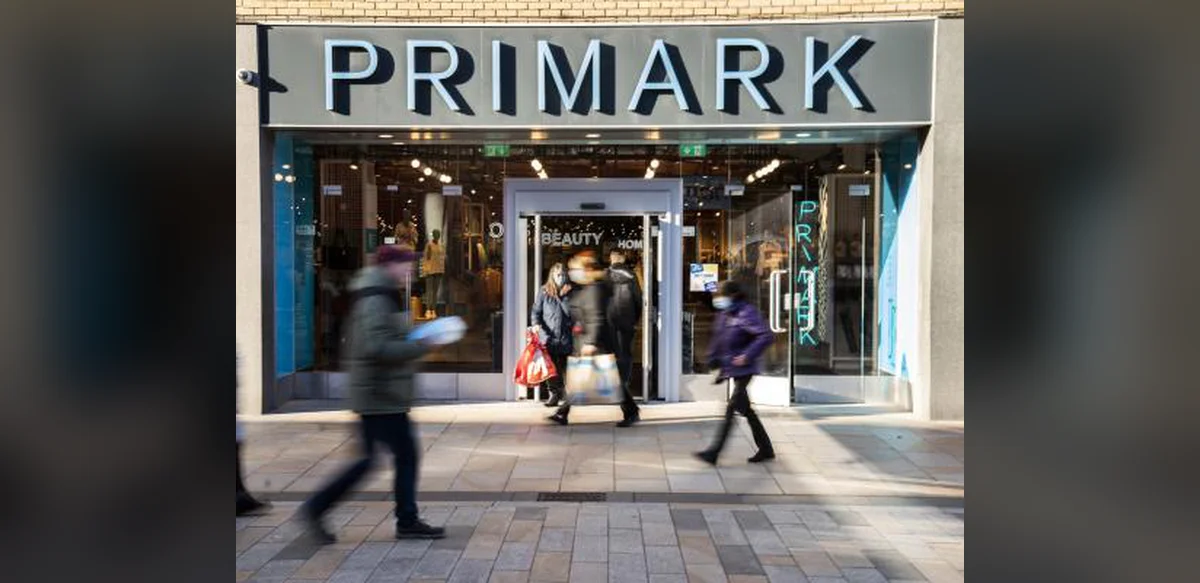
Associated British Foods (ABF), the parent company of fashion retailer Primark, has announced plans to separate Primark from its food operations next year. This decision comes despite concerns that the ongoing Middle East conflict could reduce consumer spending and increase inflation. The food division includes brands such as Twinings, Kingsmill, and Patak’s. ABF first proposed the separation last year. Primark currently runs 486 stores across 19 countries. The split is anticipated to form two new FTSE 100-listed entities, with Primark potentially valued at up to £9 billion and the food business at £4 billion, though these figures depend on better profit forecasts, according to Bloomberg Intelligence analyst Charles Allen. Analysts in the financial sector have suggested that Primark’s value was understated within the combined group. The retailer began as Penneys in Dublin in 1969, founded by Arthur Ryan, and expanded to its first UK location in Derby in 1974. The announcement coincided with ABF’s half-year results, showing a 2% drop in group revenue to £9.46 billion for the period ending February 28, and a 9% decline in pre-tax profits to £632 million. The sugar segment underperformed expectations and is projected to record a full-year loss, while the grocery arm experienced sluggish sales in the United States. Comparable store sales at Primark decreased by 2.7% globally amid challenging apparel market conditions. In the UK, like-for-like sales grew by 1.3% as the budget retailer increased its market presence, but this was countered by a 5.6% decline in continental Europe due to low consumer sentiment and less developed online integration compared to the UK. The company noted a positive beginning to the spring/summer season in March, followed by weaker performance in April as the Middle East tensions began affecting shoppers. ABF’s CEO, George Weston, stated that the company is addressing the effects of the conflict and anticipates manageable cost impacts in 2026 based on current information. However, he warned of potential risks to Primark’s revenue if the situation continues and consumer expenditure weakens. He highlighted the group’s solid financial position as a source of stability. Weston added that the food operations are currently shielded from inflation through advance purchases of energy and fuel, but prolonged conflict could alter this. He predicted possible inflation rises in food by autumn if conditions remain unchanged. Suppliers might need to request price increases from retailers, though effects would emerge gradually. Drawing parallels to the Ukraine conflict, he suggested food price inflation could peak about a year after escalation, potentially starting this summer and intensifying later. It remains unclear if Primark will need to raise prices due to higher costs for synthetic materials like polyester. Weston, from the family that owns ABF and its longtime CEO, will head the food company post-separation, expected by the end of 2027. Eoin Tonge, previously with ABF, Marks & Spencer, and Greencore as finance director, will continue leading Primark. The demerger, where investors are expected to receive one share in each new entity for each ABF share, will incur £75 million in costs and result in £45 million in lost synergies. ABF Chairman Michael McLintock explained that separating the fashion retail unit is the optimal approach to enhance shareholder value, given Primark’s size and the need for clearer focus on the food operations. He emphasized significant growth potential for both businesses as standalone companies. The food division has a pending acquisition of competitor Hovis, subject to approval from the UK’s competition authority. ABF has proposed selling its Northern Ireland baking operations to address antitrust issues and is working to secure clearance promptly. ABF’s stock price dropped nearly 3% on the day of the announcement.