


Financial experts are expressing concerns about elevated stock market levels amid global risks. Emma Moriarty, a portfolio manager at CG Asset Management, argues that current share prices fail to reflect the full impact of the energy crisis stemming from the conflict in Iran. She notes that the closure of the Strait of Hormuz for eight weeks has depleted pre-closure supplies, leading to tighter commodity markets and rising government bond yields.
In the UK, nominal interest rates have increased by about 50 basis points since before the war, while markets now anticipate one or two hikes in the Bank Rate due to persistent inflation expectations. Short-term real interest rates have declined, signaling forecasts of higher inflation and slower growth.
These effects are evident in the economy, with elevated fuel prices, warnings of significant food price increases, reduced employment figures, and signs of reduced demand, such as widespread flight cancellations.
Despite these challenges, equity markets remain buoyant. The MSCI World Index has risen approximately 5% year-to-date, even after adjusting for the strengthening British pound, following a sharp drop in mid-March.
Recent data from the Office for National Statistics indicates that retail sales in Great Britain increased by 0.7% in March, reversing a 0.6% decline in February, largely due to higher motor fuel sales driven by the Middle East conflict. Excluding fuel, sales grew by 0.2%. Over the first quarter, retail volumes rose by 1.6%.
ONS statistician Hannah Finselbach attributed the quarterly growth to strong performances in art galleries, beauty product stores, and online retail, alongside increased fuel purchases as drivers stocked up amid the crisis. However, fuel duty collections in March were the lowest since July 2023.
Tensions in UK-US trade relations have escalated, with President Donald Trump threatening substantial tariffs if the UK maintains its digital services tax on American tech companies. Introduced in 2020, the 2% tax targets revenues from major US firms. The US previously halted a significant investment in UK technology in response to such measures.
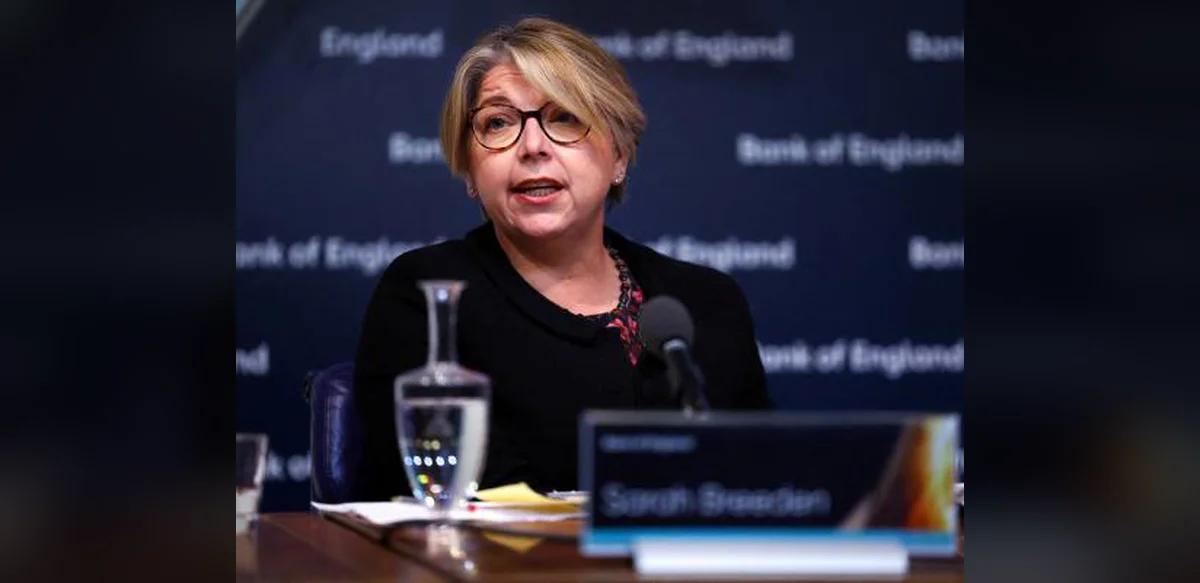
Bank of England Deputy Governor Sarah Breeden has cautioned that stock markets, currently at record highs despite geopolitical unrest, are likely to correct due to various risks. She highlighted potential issues in AI valuations, technological disruptions, and private credit markets, emphasizing the need for a resilient financial system to handle simultaneous shocks.

