


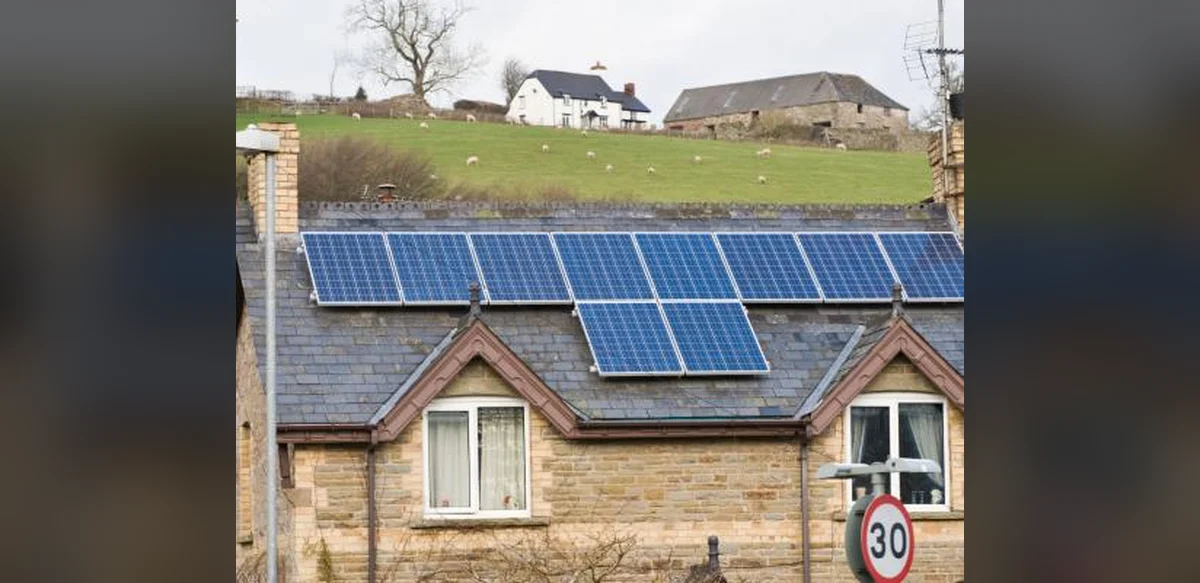
Data from major energy providers indicates that a record number of households in Great Britain are adopting eco-friendly home energy solutions to mitigate rising bills, driven by escalating global oil and gas prices due to the Iran conflict. Since the war started on February 28, interest in solar panels, electric vehicles, and heat pumps has surged, as families prepare for higher monthly expenses under the upcoming energy price cap in summer.
Bills for a standard dual-fuel plan are projected to rise by 18% starting in July, reaching about £1,929 annually, following a roughly 50% increase in Europe’s key gas price. Octopus Energy, the largest supplier in Great Britain, reported that heat pump orders more than doubled in March from the previous month, solar system sales increased by nearly 80%, and electric vehicle leases grew by over 85%.
British Gas, the second-largest provider, observed a 250% jump in inquiries for solar panel installations since February 28, along with a notable rise in interest for heat pumps, according to a representative.
Rebecca Dibb-Simkin, chief product officer at Octopus, stated that UK families are frustrated with dependence on volatile international fossil fuel markets and are increasingly opting for solar, heat pumps, and electric vehicles to secure lower operating costs and insulate against future price fluctuations.
Allan Burgess from Great Yarmouth, an Octopus customer, recently switched to a heat pump instead of continuing with heating oil, which serves over 1 million UK homes, particularly in off-grid rural areas. He explained that after the Iran conflict began, the cost of 500 liters of heating oil jumped from £250 to £700 within a week, prompting his decision amid concerns over potential shortages.
Unlike gas, heating oil prices are unregulated by Ofgem, leading to complaints of sharp increases and limited availability since the war. These prices track jet fuel costs, which have risen sharply due to Iran’s effective closure of the Strait of Hormuz. The UK, reliant on Gulf imports for about 60% of its jet fuel, faces heightened shortage risks.
Burgess, whose wife has a disability, needed a quick installation to avoid heating interruptions. He scheduled the heat pump on March 12, with a survey two days later and completion by March 17. Benefiting from an existing water tank and a £7,500 government grant, the net cost was £1,500. His setup, including solar panels and a battery, powers the pump independently of the grid.
Furbnow, a company specializing in home energy improvements, noted a 42% rise in inquiries since late February, with many focused on reducing fossil fuel dependency. CEO Becky Lane described these as deliberate choices, emphasizing that minimizing a home’s energy needs offers the best protection against price volatility. Nearly three-quarters of potential clients inquired about solar panels, over half about replacing gas or oil boilers with heat pumps, and about 40% about insulation upgrades.

