


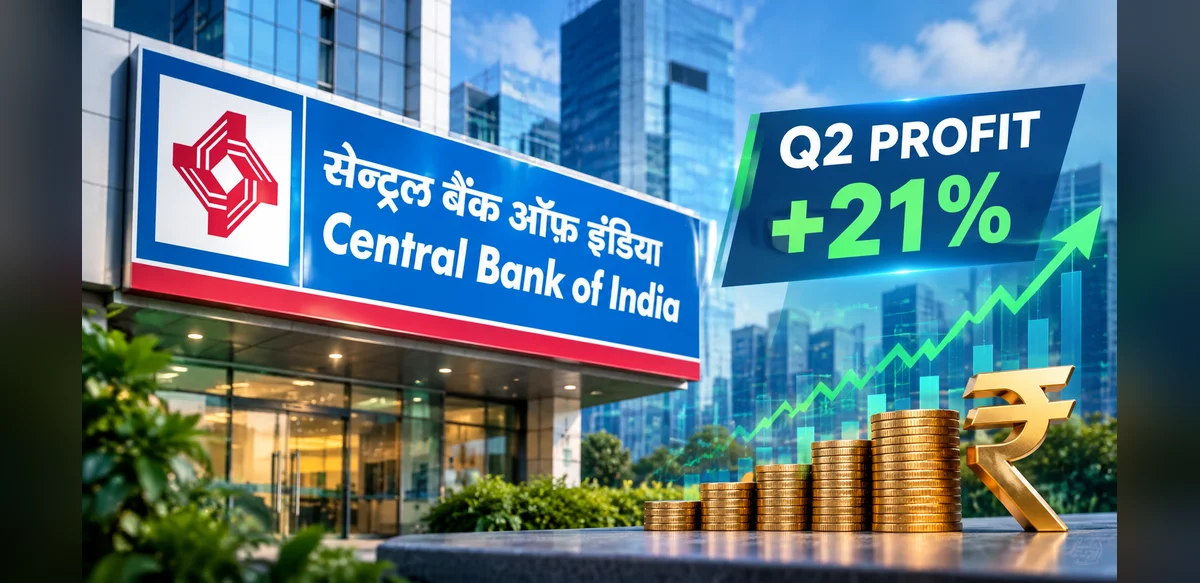
Central Bank of India announced its financial results for the three months ending in September 2026. The lender posted a net profit of 1,469 crore rupees. This figure represents a 21 percent increase compared with the same period a year earlier. The improvement came primarily from stronger interest income and a larger loan book.
Net interest income rose by 26 percent during the quarter. This metric reflects the difference between what the bank earns on loans and what it pays on deposits. The growth in this area provided a solid foundation for overall profitability. At the same time, total loans expanded by 30 percent. The increase in lending activity helped drive revenue higher while supporting the bank’s market position.
Asset quality metrics showed positive movement. Net non-performing assets declined to 0.31 percent of total advances. This reduction indicates that fewer loans were under stress compared with previous periods. Lower levels of stressed assets generally contribute to greater stability in bank balance sheets.
Operating efficiency also recorded gains. The bank managed its day-to-day expenses more effectively relative to income. Such improvements often result from better processes and cost controls across branches and digital channels.
The quarterly performance highlights steady progress in core banking operations. Loan growth remained robust, supporting both interest income and overall earnings. At the same time, tighter control over asset quality helped limit potential losses from defaults. These factors together produced the reported profit increase.
Observers note that consistent expansion in the loan portfolio can strengthen a bank’s long-term revenue base when accompanied by sound risk management. The drop in net non-performing assets suggests prudent monitoring of credit quality. Efficiency gains further indicate that resources are being allocated more effectively.
The results cover the second quarter of the financial year. They provide a snapshot of performance amid broader economic conditions affecting the banking sector. Management focused on sustainable growth while maintaining healthy asset quality indicators.
Overall, the combination of higher net interest income, expanded lending, improved asset quality, and better operating efficiency shaped the outcome. The 21 percent profit rise reflects these interconnected developments. Future quarters will depend on continued execution of these strategies.
The bank continues to operate within the regulatory framework applicable to public sector lenders. Emphasis remains on balancing growth with prudent risk practices. The reported numbers demonstrate measurable advancement across key performance areas during the period under review.
Readers can review the detailed financial statements for additional line items and breakdowns. The headline figures, however, convey the primary story of earnings growth supported by lending expansion and operational improvements. This summary captures the essential elements without alteration of the underlying data.

