


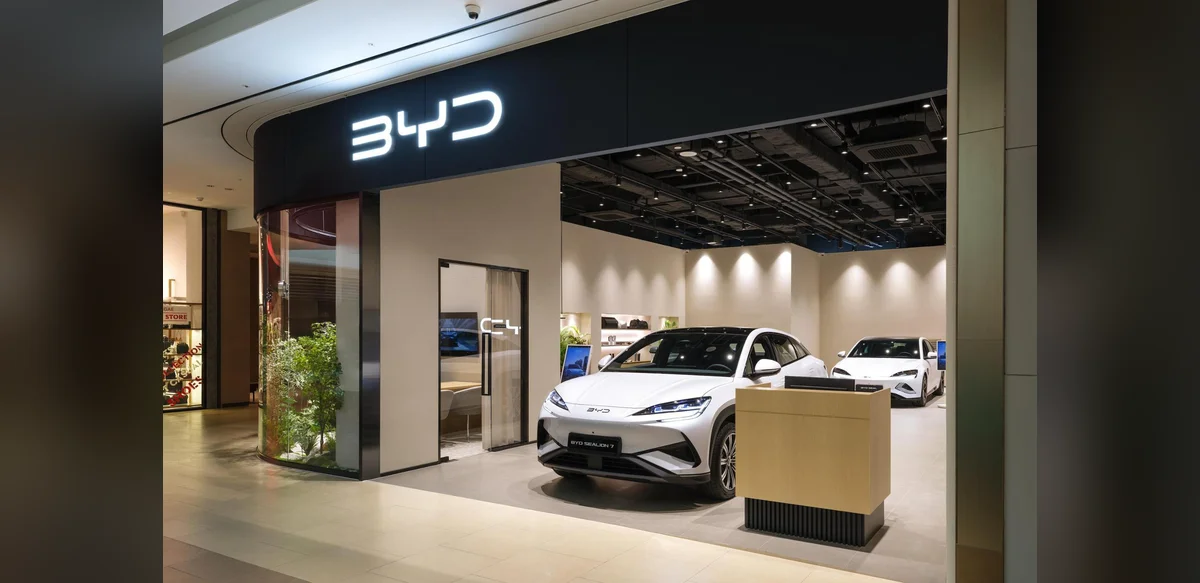
Chinese automotive companies are steadily increasing their footprint in South Korea’s vehicle market. This development extends past the initial focus on affordable electric models and now includes broader strategic investments and partnerships. Industry observers note that these moves are creating new competitive pressures for domestic producers who have long dominated the local landscape.
The expansion comes at a time when global supply chains for batteries and components are undergoing significant shifts. South Korean firms face rising costs and technological challenges while trying to maintain their edge in quality and innovation. Meanwhile, Chinese entrants are leveraging scale advantages and government support to offer vehicles at competitive prices without sacrificing recent gains in performance and features.
Analysts point out that this trend could influence future trade discussions between the two nations. Policymakers in Seoul are examining ways to balance open market principles with the need to protect key industrial capabilities. Some proposals include incentives for local research and development as well as reviews of foreign investment rules in sensitive sectors.
Consumer preferences are also evolving. Buyers increasingly consider factors such as range, charging infrastructure, and after-sales service when selecting vehicles. Chinese brands have responded by improving warranty offerings and establishing service networks in major cities. This approach aims to build trust among Korean customers who traditionally favored established domestic and European options.
The situation reflects wider patterns seen across Asia where Chinese manufacturers seek greater international presence. South Korea’s position as a technology leader in automobiles makes it both an attractive target and a challenging environment. Companies from China must navigate regulatory requirements and cultural expectations while competing on price and technology.
Experts suggest that collaboration in areas like autonomous driving software or shared mobility services could emerge as one path forward. Such partnerships might allow both sides to benefit from complementary strengths rather than engaging solely in direct rivalry. However, concerns about intellectual property and data security remain topics of ongoing debate.
Overall, the deepening involvement of Chinese carmakers is prompting a reevaluation of strategies within South Korea’s automotive industry. Stakeholders across government, business, and academia are monitoring developments closely to understand long-term implications for employment, innovation, and economic resilience. The coming years will likely see continued adjustments as market dynamics evolve in response to these changes.

