

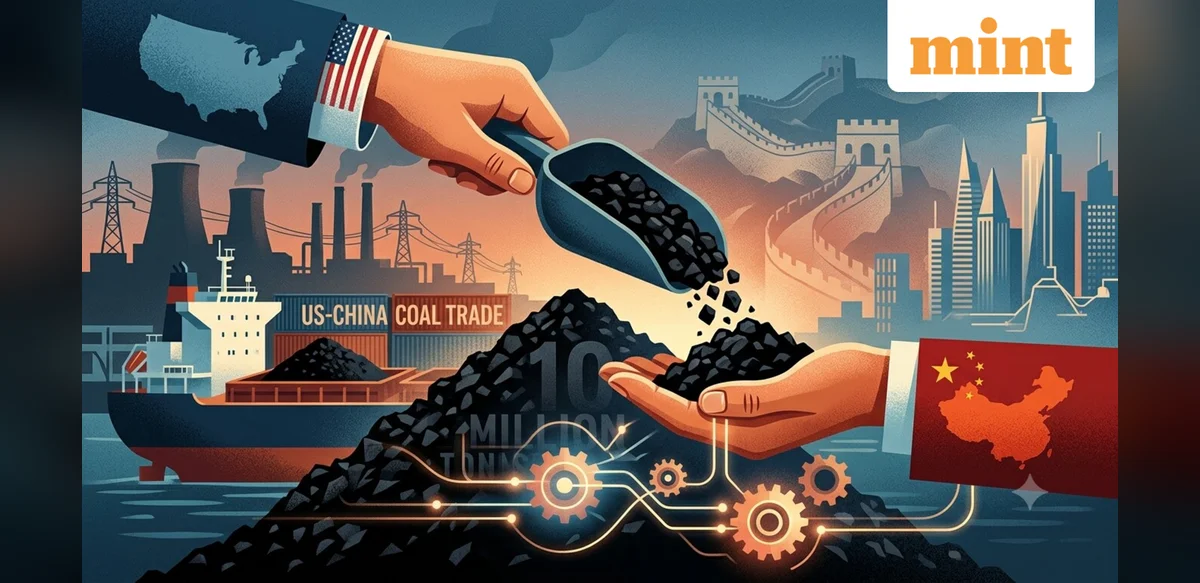
Recent developments in international commerce show that purchases of American coal by China extend beyond simple energy supply needs. These transactions provide American mining operations with expanded opportunities to reach overseas buyers. At the same time, the arrangements allow Chinese officials to demonstrate flexibility during broader discussions with Washington on economic matters.
Trade relations between the two largest economies have long involved multiple sectors. Energy commodities such as coal can serve as practical tools for balancing import and export flows. By committing to significant volumes, one side signals willingness to address concerns raised by the other regarding market access and trade imbalances.
For producers in the United States, new export channels help stabilize operations in regions where domestic demand has fluctuated. Coal shipments create revenue streams that support employment and infrastructure in extraction areas. This economic activity occurs within the framework of existing regulatory standards for mining and transportation.
From the perspective of Chinese planners, incorporating American coal into the energy mix offers options during periods of shifting global supply conditions. It also functions as a visible concession that can ease tensions in wider talks covering tariffs, technology transfers, and investment rules. Such steps often form part of phased agreements rather than standalone decisions.
Observers note that commodity purchases frequently appear in negotiation packages because they deliver measurable results in the short term. Unlike complex regulatory changes, physical deliveries can be tracked through port data and shipping records. This transparency helps both parties demonstrate progress to domestic audiences.
The overall approach reflects standard practices in large-scale trade diplomacy. Nations routinely combine sector-specific deals with overarching frameworks to manage disputes. In this instance, coal serves as one element within a larger set of discussions that may include agricultural products, manufactured goods, and services.
Market analysts continue to monitor how these purchases influence pricing and logistics across the Pacific. Shipping routes, storage capacities, and quality specifications all require coordination between exporters and importers. Successful implementation depends on consistent adherence to agreed volumes and timelines.
Ultimately, the arrangement underscores the interconnected nature of energy policy and trade strategy. While immediate benefits focus on supply security and market expansion, longer-term outcomes relate to sustained dialogue between the involved governments. Both sides retain the ability to adjust terms as economic conditions evolve.


