


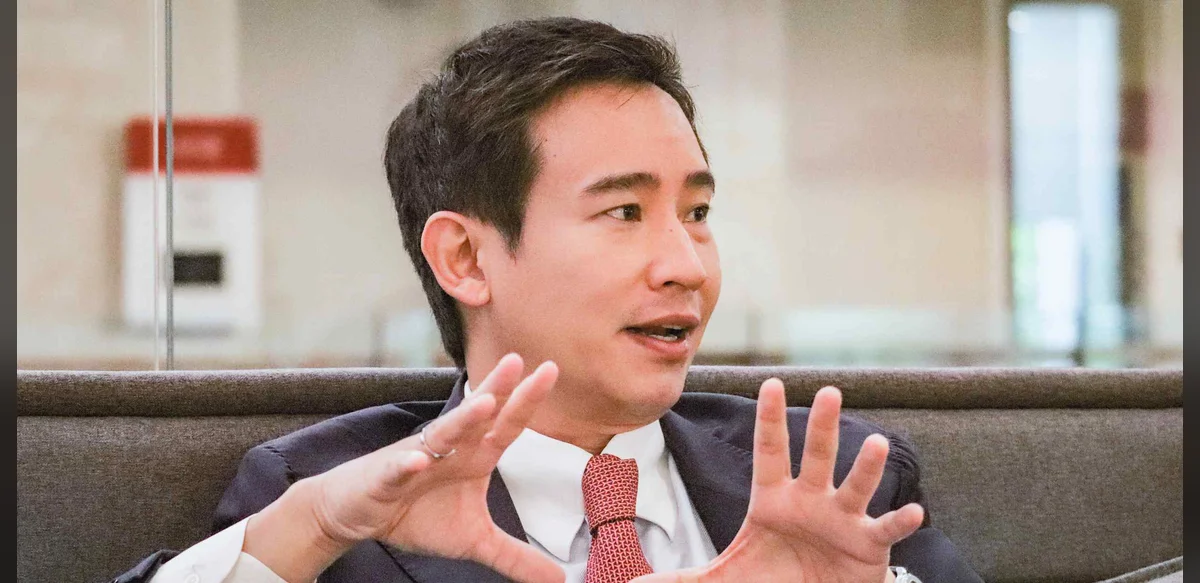
A former leader of a Thai reform-oriented political group has stated that the movement shifted too far toward a technocratic approach in recent years. The remarks come from the individual who previously headed the party and who remains barred from active political participation.
In comments released through media channels, the ex-leader suggested that an emphasis on expert-driven solutions may have distanced the group from broader public concerns. The statement did not include detailed policy critiques but instead focused on the overall strategic balance the party had adopted.
The individual also indicated a willingness to consider returning to public life under certain conditions. Specifically, the former leader noted that any future involvement would depend on whether citizens continued to express support for such a role. No immediate plans for a comeback were outlined, and the comments left the possibility open rather than definitive.
Thailand’s political environment has featured repeated restrictions on several reform advocates in recent periods. The ex-leader in question has faced legal and administrative barriers that prevent holding office or leading party activities at present. These measures have been the subject of ongoing discussion among observers of the country’s governance.
The party’s platform has historically centered on institutional changes, transparency measures, and adjustments to traditional power structures. Critics have sometimes argued that the focus on specialized expertise overshadowed direct engagement with everyday issues affecting voters. The recent remarks appear to acknowledge that tension without assigning specific blame.
Supporters of the reform group have continued to organize through alternative channels while the leadership faces limitations. Public rallies and online discussions have maintained visibility for the core ideas, even as formal party operations remain constrained.
Analysts note that Thai politics often involves cycles of restriction and renewed participation for various figures. The current comments fit within a pattern where barred individuals maintain a measured presence in public discourse without directly challenging existing prohibitions.
No timeline was provided for any potential return, and the statement emphasized public sentiment as the deciding factor. This approach avoids direct confrontation while signaling continued interest in the country’s political direction.
The broader reform movement in Thailand has drawn attention for its efforts to address governance questions through legislative and constitutional proposals. Whether the technocratic emphasis identified in the remarks will lead to adjustments in strategy remains to be seen.
Observers will likely monitor future statements from the former leader and the party for indications of evolving priorities. The emphasis on public desire as a prerequisite for any comeback introduces an element of conditional openness into the ongoing conversation.
Overall, the comments reflect a reflective tone regarding past approaches and a cautious stance toward future possibilities within Thailand’s current political framework.

