


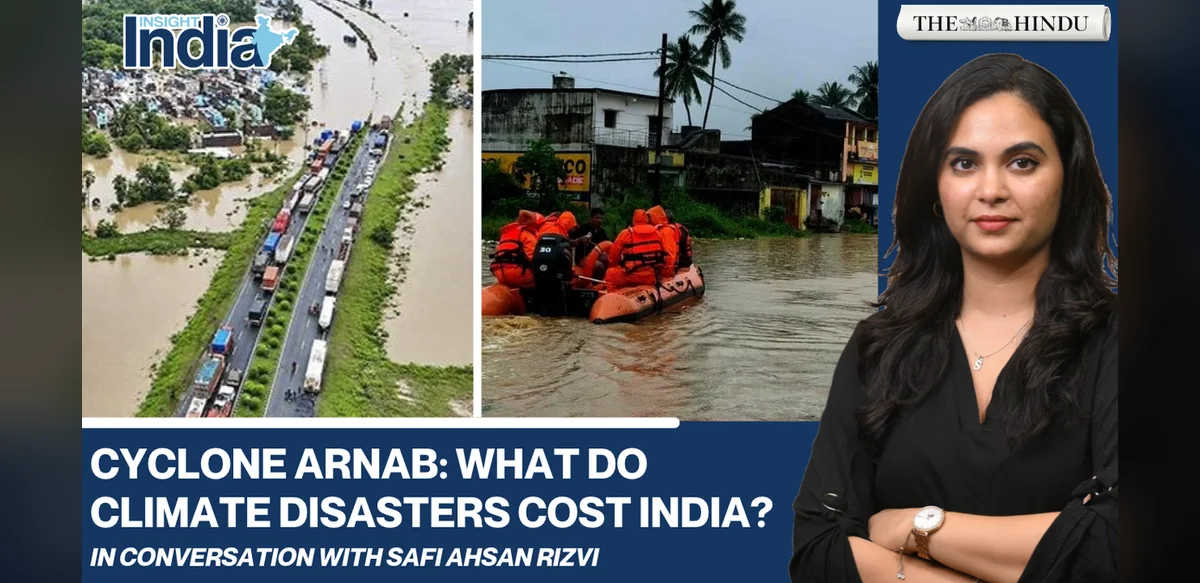
Cyclone Arnab made landfall along the Andhra Pradesh coastline earlier this week. Officials responded by moving residents from vulnerable zones to safer locations, suspending rail and road services in affected districts, and placing response teams on high alert. This event marks the opening storm of the northeast monsoon period. With shifting weather patterns expected to produce stronger storms and additional hazards, questions arise about whether existing frameworks can absorb the resulting social and financial burdens.
Disaster management involves multiple layers of planning, from early warning systems to post-event recovery efforts. Authorities coordinate across central and state levels to issue alerts, organize evacuations, and deploy resources. In the case of Cyclone Arnab, these steps helped limit immediate harm, yet the broader challenge lies in scaling such operations as events grow more frequent and severe.
Economic impacts extend beyond direct damage to infrastructure. Lost productivity, disrupted supply chains, and rehabilitation expenses accumulate quickly. Coastal communities often face repeated setbacks, with agriculture, fisheries, and small businesses suffering prolonged recovery periods. Vulnerable groups, including low-income households and those in remote areas, encounter heightened risks due to limited access to insurance or alternative livelihoods.
India has recorded measurable progress in handling cyclones since the devastating events of 1999. Enhanced forecasting technology, community awareness programs, and dedicated response agencies have contributed to lower fatality rates in subsequent storms. These advancements reflect ongoing refinements in strategy, though gaps remain in addressing long-term economic resilience and equitable support for all affected populations.
The interview segment explores core elements of effective disaster response. It examines how resources are allocated before, during, and after events, alongside the toll on national finances and at-risk communities. Discussions also cover lessons drawn from past experiences and potential adjustments needed to meet future demands driven by environmental changes.
Overall, the episode underscores the importance of sustained investment in preparedness measures. While current systems demonstrate capability in immediate response, adapting to intensified natural hazards will require continued evaluation of costs, coverage for marginalized groups, and integration of updated risk assessments. As the monsoon season progresses, attention will remain on how well these strategies perform under real conditions.

